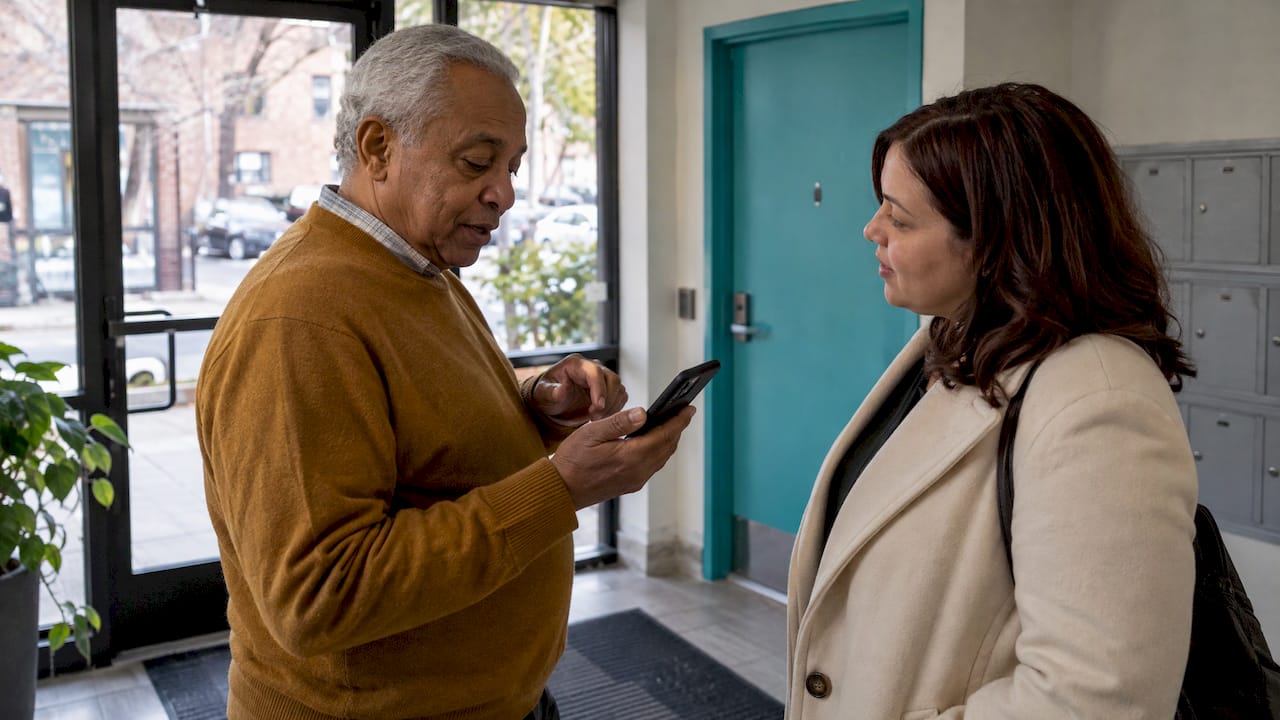
When you have an aging parent or loved one living alone, knowing they’re safe can become a daily concern. You want to respect their independence, but you also want reassurance that someone will know if something goes wrong.
For years, traditional medical alert systems have been a popular solution. However, as technology evolves, families are discovering medical alert alternatives that offer more than emergency assistance.
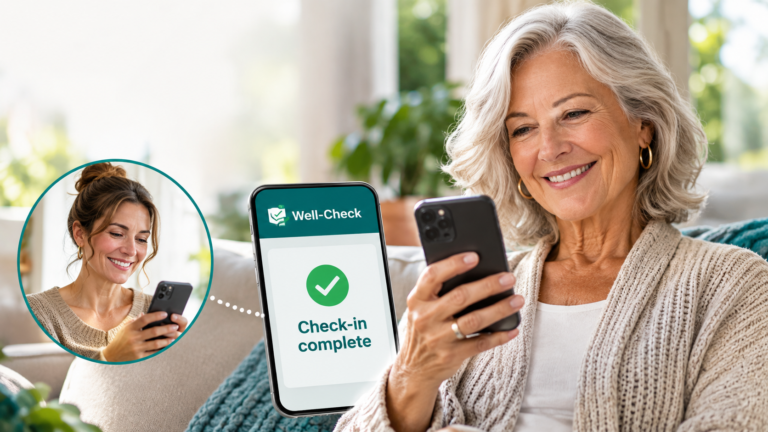
Daily check-in apps provide a different approach to personal safety, allowing families to stay connected, monitor everyday wellness, and receive notifications when a loved one misses a scheduled check-in.
But how do these two solutions compare, and which is the better fit for your family?
Let’s explore the differences.
1. What Are Traditional Medical Alert Systems?
Medical alert systems are designed to help individuals request assistance during an emergency. They typically include a wearable button, pendant, or wristband that connects to an emergency response service.
When the button is pressed, the system contacts a monitoring center or designated emergency contact, depending on the service.
Common Features of Medical Alert Systems
- Emergency Assistance: A button connects the user with a monitoring center or emergency contact.
- Fall Detection: Some devices automatically detect certain falls and initiate an alert.
- 24/7 Professional Monitoring: Monitored plans provide access to trained response personnel.
- GPS Location Tracking: Certain mobile devices help responders determine the user’s location.
- Wearable Technology: Pendants, bracelets, or watches provide convenient access to emergency assistance.
Limitations of Traditional Medical Alert Systems
Although medical alert devices offer valuable emergency protection, they may not address every concern families have.
For example, a traditional emergency button generally doesn’t tell you whether your parent has taken their medication, completed their usual daily routine, or is simply doing okay.
Some advanced systems include wellness features, but many are primarily designed to respond when an emergency occurs.
This is one reason families are increasingly researching medical alert alternatives that provide more regular communication and reassurance.
2. What Are Daily Check-In Apps?
Daily check-in apps are designed to help individuals and families maintain regular communication without requiring constant phone calls or text messages.
Rather than waiting for an emergency, these apps encourage users to confirm their well-being at scheduled times.
If someone fails to respond, the app can notify their designated contacts so they can follow up.
Common Features of Daily Check-In Apps
- Scheduled Wellness Check-Ins: Users confirm they’re okay at predetermined times.
- Missed Check-In Notifications: Designated contacts receive alerts when a check-in is missed.
- Medication Reminders: Helpful notifications support daily medication routines.
- Family Notifications: Multiple trusted contacts can stay informed.
- Location Sharing: Supported apps allow loved ones to share their location.
- Simple Smartphone Access: Many apps operate through an existing mobile device.
Unlike traditional medical alert systems, daily check-in apps emphasize ongoing wellness and communication rather than focusing exclusively on emergencies.
For families who want to remain connected without constantly checking in themselves, this can be an appealing option.
3. Medical Alert Systems vs. Daily Check-In Apps: Key Differences
Understanding how these technologies differ can help you decide which solution best meets your family’s needs.
| Feature | Medical Alert Systems | Daily Check-In Apps |
|---|---|---|
| Primary Purpose | Emergency assistance | Daily wellness and family communication |
| Scheduled Check-Ins | Available on some systems | Core feature |
| Missed Check-In Alerts | Depends on provider | Common feature |
| Emergency Response | Professional monitoring on supported plans | Typically alerts trusted contacts |
| Medication Reminders | Available on select systems | Available on select apps |
| GPS Location Tracking | Available on select devices | Available on select apps |
| Additional Equipment | Often requires a dedicated device | Typically uses a smartphone |
| Family Involvement | Varies by provider | Direct involvement |
| Ongoing Subscription | Often required | Free and paid options available |
The most important distinction is that medical alert systems are generally designed to get help during an emergency, while daily check-in apps help families maintain awareness of a loved one’s everyday well-being.
Both can provide peace of mind, but they serve different purposes.
4. Why Families Are Exploring Medical Alert Alternatives
Traditional medical alert systems remain an important safety resource, particularly for individuals with elevated medical risks.
However, not every family needs the same level of emergency monitoring.
Many adults who live independently are perfectly capable of managing their daily activities. Their families simply want reassurance that they’re safe.
Maintaining Independence
Some older adults are uncomfortable wearing a medical alert pendant or feel that it makes them appear dependent on others.
A smartphone-based check-in app can offer a more discreet approach, allowing them to confirm their well-being without wearing additional equipment.
Staying Connected Without Constant Phone Calls
Calling an aging parent every day can become difficult for busy families.
A daily check-in app provides a simple way to establish a routine while reducing the need for repetitive calls.
Supporting Everyday Wellness
Families may worry about more than falls and emergencies.
Medication schedules, changes in routine, missed check-ins, and communication gaps can all create concerns.
Certain daily check-in apps address these needs with reminders and family notifications.
Making Safety More Accessible
Some professionally monitored medical alert systems require dedicated equipment, activation charges, and ongoing subscription fees.
Smartphone-based alternatives may offer a more affordable solution for families who primarily need daily wellness check-ins and notifications.
5. When Is a Medical Alert System the Better Choice?
Daily check-in apps aren’t intended to replace every function of a traditional medical alert system.
A professionally monitored device may be more appropriate for someone who:
- Has a significant history of falls.
- Is at risk of sudden medical emergencies.
- May be unable to operate a smartphone during an emergency.
- Needs immediate access to a trained monitoring service.
- Requires automatic fall detection or dedicated emergency response equipment.
In these situations, a medical alert system can provide an important additional layer of protection.
For some families, the best solution is to use both technologies together.
6. When Is a Daily Check-In App the Better Choice?
Daily check-in apps may be especially beneficial for individuals who live independently but want to maintain a reliable connection with their families.
Aging Parents Living Alone
Adult children can receive confirmation that their parents are following their regular check-in schedules without interrupting their day.
Individuals Managing Daily Medications
Medication reminders help users maintain their routines while reducing the need for family members to call repeatedly.
People Living or Working Alone
Safety concerns aren’t limited to older adults. People who live alone or work independently may also benefit from scheduled wellness check-ins.
College Students and Young Adults
Parents can stay connected with students living away from home through established check-in schedules and trusted contact notifications.
Families Living Long Distances Apart
When loved ones live in different cities or states, a daily check-in app provides another way to stay informed without constant phone calls.
For these situations, medical alert alternatives that emphasize proactive wellness monitoring may offer a practical solution.
7. Why Well-Check Takes a Different Approach
Well-Check was created around a simple idea: families shouldn’t have to wait for something to go wrong before knowing whether their loved ones are okay.
Rather than focusing exclusively on emergency situations, Well-Check combines daily wellness check-ins, reminders, and family notifications in one easy-to-use app.
Scheduled Daily Check-Ins
Users establish their preferred check-in schedule and receive notifications when it’s time to confirm they’re okay.
A simple response lets their loved ones know they’ve completed their check-in.
Automatic Missed Check-In Alerts
If someone fails to complete a scheduled check-in within the configured grace period, Well-Check notifies designated contacts so they can follow up.
This helps eliminate the uncertainty that can come from unanswered calls or messages.
Medication Reminders and Tracking
Well-Check provides medication reminders and tracking features to help individuals manage their daily medication schedules.
Apple Watch Heart Rate Monitoring
With supported Apple Watch integration, Well-Check adds heart rate monitoring capabilities, providing another way to help designated contacts stay informed about potential wellness concerns.
Location Awareness
Location-sharing features help families stay connected with loved ones when they’re away from home, traveling, or going about their daily activities.
Multiple Trusted Contacts
Well-Check allows users to establish a network of trusted contacts, so safety and wellness responsibilities don’t have to fall on just one family member.
One App for Everyday Peace of Mind
Instead of requiring families to manage multiple tools, Well-Check brings daily check-ins, medication reminders, location awareness, and family notifications together.
It’s not just about responding to emergencies. It’s about helping families stay connected before an emergency happens.
Well-Check is not a professionally monitored emergency dispatch service and does not provide direct 911 response.
8. Can You Use a Medical Alert System and Daily Check-In App Together?
Absolutely.
In fact, using both solutions may provide more comprehensive support for certain families.
A traditional medical alert system can help someone request emergency assistance when an immediate medical event occurs.
Meanwhile, a daily check-in app like Well-Check can help family members stay informed about everyday wellness routines.
For example, an older adult might wear a medical alert device for emergency assistance while using Well-Check to confirm their daily well-being, receive medication reminders, and keep family members connected.
This combination addresses two different concerns: getting help during an emergency and maintaining peace of mind throughout everyday life.
9. Frequently Asked Questions About Medical Alert Alternatives
What are the best alternatives to medical alert systems?
The best medical alert alternatives depend on the individual’s needs. Options include daily check-in apps, smartphone safety features, GPS-sharing apps, and certain wearable technologies. Well-Check is an option for families seeking scheduled wellness check-ins, reminders, and notifications.
Can a daily check-in app replace a medical alert system?
Not in every situation. Daily check-in apps can provide valuable wellness monitoring and family notifications, but they generally don’t replace professionally monitored emergency response systems for individuals at higher medical risk.
Do medical alert alternatives require special equipment?
Many smartphone-based solutions do not require dedicated equipment. Well-Check uses a compatible smartphone for its core features, with supported Apple Watch functionality available for additional monitoring.
How do daily check-in apps notify family members?
Daily check-in apps typically send notifications when a user fails to respond within a predetermined time. Well-Check alerts designated contacts when a scheduled check-in is missed, allowing them to follow up.
Are daily check-in apps only for seniors?
No. Daily check-in apps can also benefit college students, people living alone, travelers, individuals working independently, and families who want to maintain regular communication.
Is Well-Check a medical alert alternative?
Yes. Well-Check is a medical alert alternative for families primarily seeking everyday wellness check-ins, medication reminders, and family notifications. However, it should not be considered a substitute for emergency medical services or professional monitoring when those services are necessary.
10. Choosing the Right Safety Solution for Your Family
When comparing traditional medical alert systems with newer medical alert alternatives, the right choice ultimately depends on your loved one’s health, lifestyle, independence, and daily needs.
If immediate emergency assistance is the primary concern, a professionally monitored medical alert system may be the better option.
But if your goal is to maintain a regular connection, receive notifications when something seems unusual, and help your loved one remain independent, a daily check-in app may be exactly what your family needs.
Well-Check was designed to make these everyday connections easier, giving families a convenient way to look out for one another without making loved ones feel like they’re constantly being monitored.
Stay Connected With Well-Check
You shouldn’t have to wonder whether someone you love is okay.
With daily wellness check-ins, missed check-in alerts, medication reminders, and family notifications, Well-Check helps you stay connected to the people who matter most.
Because knowing they’re okay matters.
Download Well-Check for iPhone
Disclaimer: Well-Check is a wellness and family communication application. It is not a medical device, emergency response provider, or replacement for professional medical monitoring or emergency services. For emergencies, contact 911 or your local emergency services.