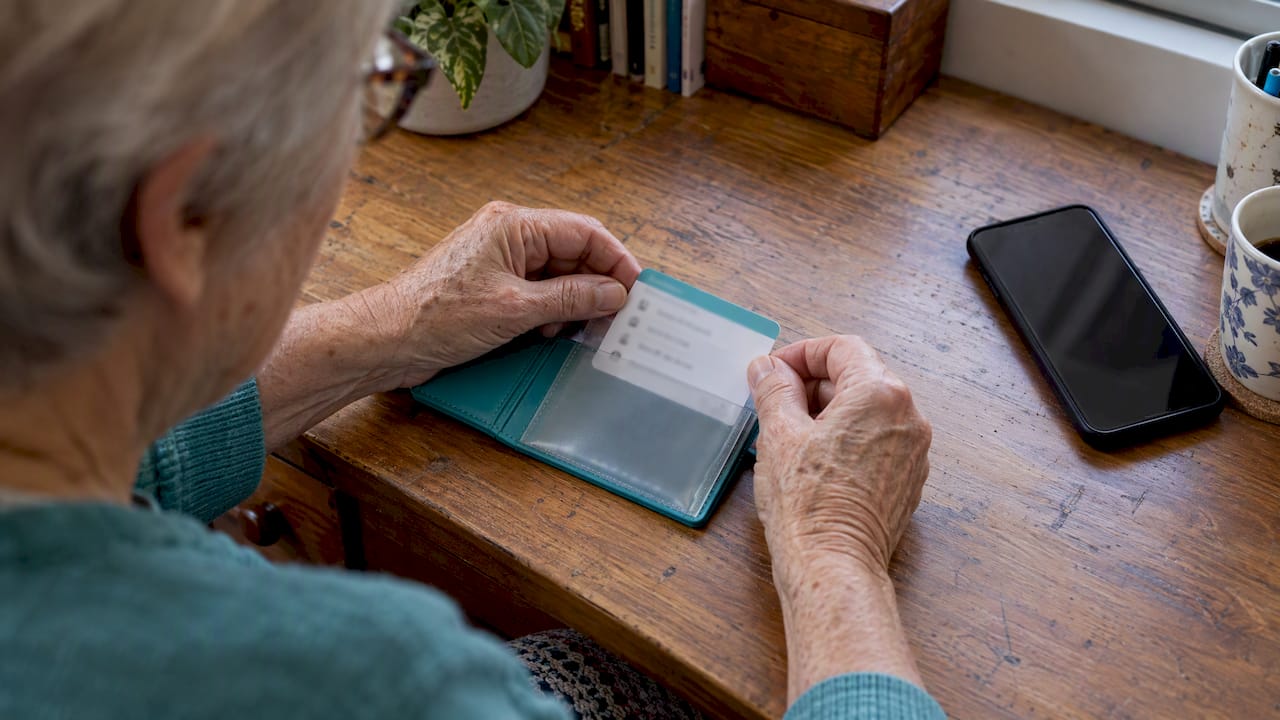
Your emergency contact list should name a primary trusted contact, at least one backup, a nearby person who can physically check on you, an out-of-area contact, your key medical providers, and essential service numbers like 911 and poison control. Save this list in two places: a digital copy on your phone and a printed card you keep on hand.
TL;DR:
- Your emergency contact list should include trusted primary, backup, in-person, and out-of-area contacts, along with key medical and service numbers.
- Select contacts based on trust, reliability, proximity, language, and willingness, and rehearse the list annually for quick response.
- Record detailed fields for each contact and store copies in multiple accessible locations like your phone, wallet, home, and car.
- For children and seniors, include authorized caregivers, medical info, and legal proxies, and consider alternative contacts if standard options are unavailable.
- Use a check-in app for proactive alerts, but always keep accessible physical copies, as technology complements but does not replace a well-prepared paper list.
Table of Contents
- 1. Who to Include: Categories and Numbers That Matter
- 2. How to Choose, Prepare, and Test Your Emergency Contacts
- 3. Exact Fields to Record and Where to Store Copies
- 4. Special Cases: Children, Seniors, and Limited Contacts
- 5. How a Check-In App Keeps Your Contact List Actionable
- 6. Why Role-Based Contacts and Consent Matter Most
- Well-Check: Keep Your Emergency Contact Network Current
- FAQ
- Sources
1. Who to Include: Categories and Numbers That Matter
A workable emergency contact list is built by function, not just by family tree. Each role covers a different kind of failure, so skipping one leaves a gap that shows up exactly when you need it least.
Start with a primary personal contact, someone who knows your health history, lives close enough to act fast, and has agreed to the job. Add at least one backup contact in case the first person is unreachable, since phones die and people travel. A nearby in-person contact such as a neighbor, coworker, or caregiver matters because some emergencies need someone who can physically show up, not just answer a call. An out-of-area contact rounds this out: during regional disasters, local lines often jam while long-distance calls go through, a point Ready builds its entire template around.
Beyond personal contacts, your list needs medical and service numbers:
- Primary care doctor, relevant specialists, and your pharmacy
- Preferred hospital or emergency room
- Poison control and your local emergency number (911, 112, or your country’s equivalent)
- Utility companies (gas, electric, water) for outages or leaks
- Health insurance provider and policy number
- Veterinarian, if pets are part of the household
The American Red Cross recommends pairing personal and service contacts on the same list and practicing it, noting that texting often succeeds when voice calls fail during high-traffic emergencies.
2. How to Choose, Prepare, and Test Your Emergency Contacts
Naming someone isn’t the same as making them useful in a crisis. These steps turn a list of names into a working safety net.
- Judge candidates on trust, reliability, and availability, not just closeness. A sibling who never answers calls is weaker than a friend who always does.
- Factor in proximity when physical help matters. Someone two time zones away can’t bring you water or unlock your door.
- Account for language and time zone. The University of St Andrews’ guidance on sharing emergency contacts points out that time differences affect whether someone can respond quickly, and that you should confirm they’re comfortable being contacted about both physical and mental health concerns.
- Ask permission before listing anyone. Explain what the role involves so they aren’t blindsided by a call from a hospital or school.
- Assign people by function, such as primary notifier, backup, and in-person checker, so everyone knows their job in advance.
- Label at least one phone contact “ICE” (In Case of Emergency) and save numbers under multiple methods: call, text, and email.
- Rehearse the contact order once a year or whenever circumstances change, a practice both Ready.gov and the Red Cross recommend for keeping plans current.
A contact who has agreed to the role and knows what to expect responds faster and more usefully than a name added without a conversation.
3. Exact Fields to Record and Where to Store Copies
A usable emergency card needs specific fields, not just a name and number. For each contact, record their full name, relationship or role, primary mobile number, an alternate phone, email, address, time zone if relevant, and any access notes, such as whether they hold a spare key or have standing permission to make decisions on your behalf.
At the household level, add your preferred hospital, your primary clinician’s name and number, your health insurance company and policy number, and a current medication and allergy list. The Johns Hopkins Medicine emergency information form lists poison control, your pharmacy, and insurance details among the fields hospitals most often ask for, kept together with your medications so responders can act fast without guessing.
Store this information in several places, since no single copy is foolproof:
- Phone: labeled ICE contact plus full entries for each person
- Printed wallet card: one per household member
- A fixed home spot, like the refrigerator or a kitchen bulletin board
- Car glovebox, workplace desk, or school and daycare files
- A caregiver’s folder, for anyone managing care for a family member
Ready.gov’s plan recommends making identical wallet cards for every household member and reviewing them annually so the information never goes stale.
4. Special Cases: Children, Seniors, and Limited Contacts
Some situations call for extra care beyond the standard list.
- Children: List authorized pickup people, and give schools and daycares your pediatrician’s number along with any custody-related notes that affect who can be contacted or make decisions.
- Seniors and medically fragile individuals: Include home-health aides or caregivers, a full medication list, and references to any legal proxy documents. For a more detailed clinical checklist, planning guidance for medically fragile loved ones walks through the specifics step by step.
- No obvious contacts: If you lack close family or friends, consider a trusted neighbor, coworker, faith leader, or support worker. ABC News reporting on this exact gap suggests asking the organization requesting the contact for help brainstorming safe alternatives rather than defaulting to someone unsuitable.
- Privacy or domestic-abuse concerns: You can ask the requesting organization about alternatives, such as listing a professional contact instead of a family member, if naming someone feels unsafe.
5. How a Check-In App Keeps Your Contact List Actionable
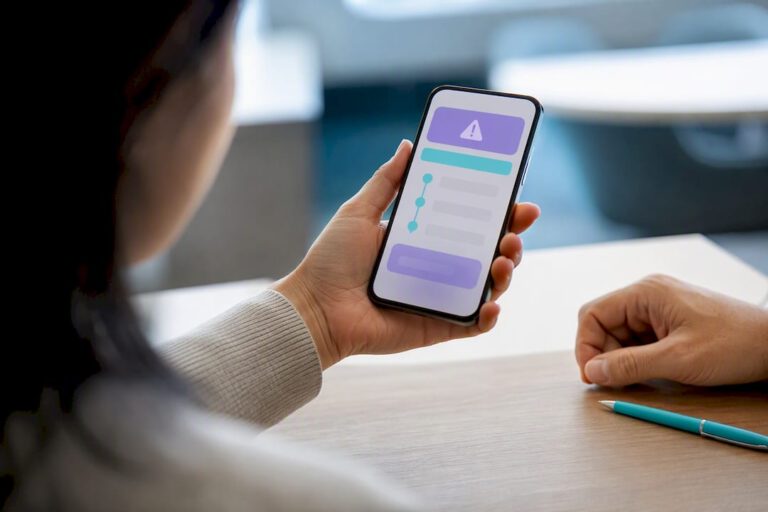
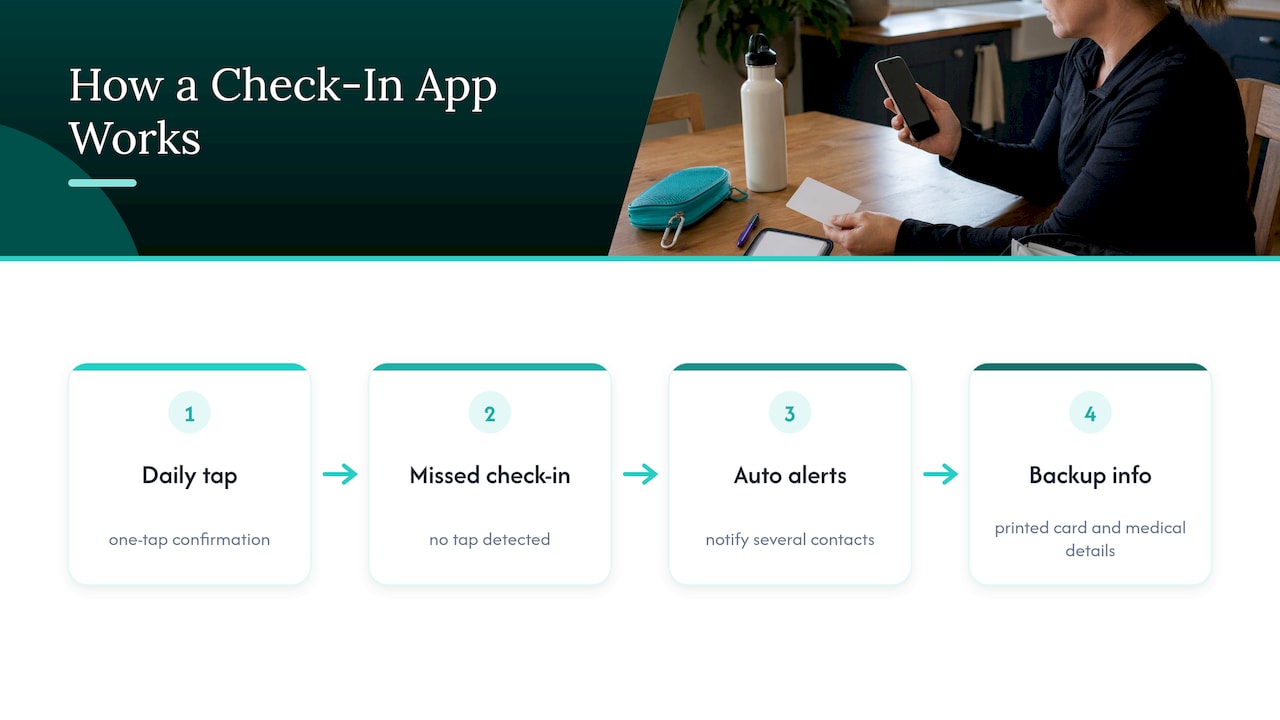
A written list only works if someone notices when something’s wrong. Daily check-in apps add that layer: a one-tap “I’m okay” confirmation, automatic alerts to your contact network if a check-in is missed, and optional GPS or medication reminders for added peace of mind. The main advantage is that one missed tap notifies several people at once instead of relying on someone to remember to call. That said, an app is a supplement, not a replacement: you still need to ask contacts for consent, and critical medical details should live somewhere accessible even if your phone is dead or out of reach.
6. Why Role-Based Contacts and Consent Matter Most
The biggest mistake I see isn’t a missing name, it’s an unprepared one. A list is only as strong as the weakest contact on it, and consent plus a quick rehearsal fix that faster than adding more names ever will. Update yours this week.
— Brian
Well-Check: Keep Your Emergency Contact Network Current
Building the list is half the job. Keeping it current and making sure someone actually gets notified is the other half, and that’s where we come in. Our app lets you build an emergency contact network directly into the system, so a missed daily check-in automatically alerts the people you’ve assigned.
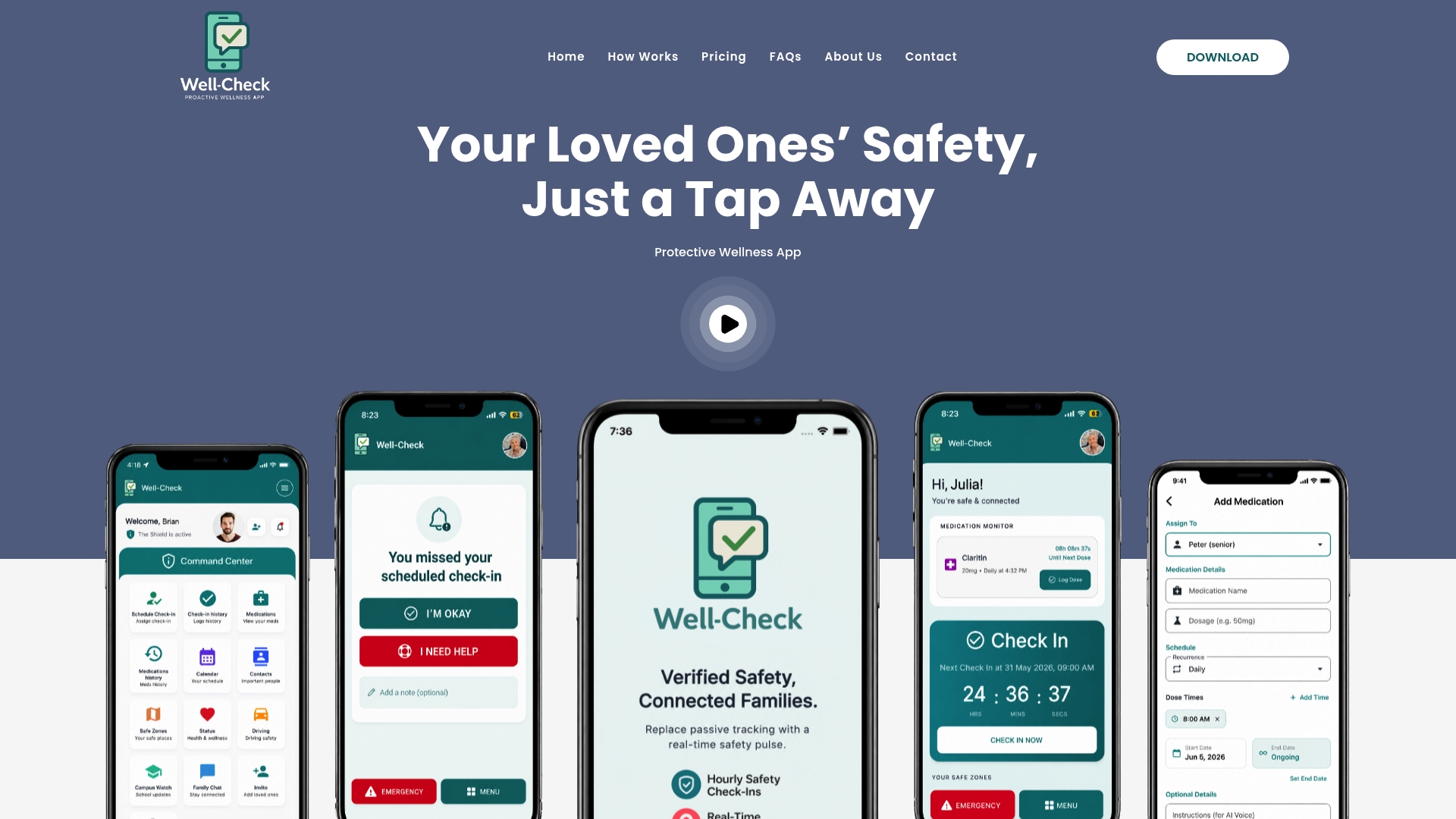
We built one-tap check-ins, medication reminders, and GPS tracking for households needing proactive alerts and caregivers who want one central record instead of scattered notes. If you want to see how the features fit together, our how Well-Check works page walks through it, and our pricing plans start at $5.99 a month for the Essential plan or $7.99 a month for Complete.
FAQ
What numbers should be on an emergency contact list?
Your list should include your primary and backup personal contacts, an out-of-area contact, your doctor and pharmacy, your preferred hospital, poison control, local emergency services, and utility and insurance providers. The American Red Cross recommends keeping both personal and service numbers on the same document so nothing gets missed under stress.
What are 10 items you need for an emergency kit?
Kit contents vary by household, but the Red Cross preparedness checklists recommend adapting kits to specific medical, mobility, infant, pet, and accessibility needs rather than using one generic list. Items commonly include prescribed medications, assistive devices, and copies of important documents alongside standard supplies like water and a flashlight.
What are the requirements of an emergency plan?
A solid emergency plan names contacts by role, includes written phone numbers and email addresses, designates an out-of-area contact, and gets practiced at least once a year, according to Ready.gov’s family emergency communication plan. It should also include printed copies, since phones can be lost or lose power exactly when you need them.
What is the emergency number in Europe?
112 is the emergency number used across the European Union, though the EU’s digital strategy page on 112 notes that underlying emergency response arrangements still vary by country and region. It’s worth knowing your local national emergency number as well, especially if you’re traveling.
Does naming someone as an emergency contact give them legal authority?
No. Naming someone as your emergency contact only means medical staff will call them first, but it does not grant them authority to make medical decisions on your behalf. According to NOLO’s guide on choosing an emergency contact, you need a separate medical power of attorney to grant that kind of decision-making authority.
Sources
- Protect your safety by sharing an emergency contact – Guides – University of St Andrews
- Ready
- Disaster preparedness plan – American Red Cross
- Choosing an Emergency Contact for Health Care Emergencies – NOLO
- Emergency information form – Johns Hopkins Medicine