Start today with four changes: lock and reinforce every entry point, install and test smoke and carbon monoxide detectors, write down your emergency contacts, and set up a regular check-in with someone you trust. Falls send more than 1 in 4 adults 65 and older to the emergency room each year, and social isolation is linked to roughly 871,000 deaths annually worldwide, so the stakes go beyond burglary. The room-by-room steps below fill in the details.
TL;DR:
- For rented homes, replace short strike plate screws with three inch screws anchored in a wall stud, and reset smart lock codes when roommates change.
- During outages, a closed refrigerator protects food for four hours and a full freezer for 48 hours; keep generators 20 feet from doors and windows.
- For older adults, muscle strengthening and balance training can cut fall rates by up to 35%; add a weekly balance class or physical therapy routine.
- Keep emergency contacts on paper near the door, in your phone, and with a trusted person; practice two exit routes and review the plan quarterly.
- Schedule a daily or twice weekly call with a backup contact, and seek professional support if withdrawal, missed calls, or mood changes persist for weeks.
Table of Contents
- Home security: doors, windows, lighting, and visitors
- Preventing fires, gas leaks, and electrical hazards
- Fall prevention and mobility fixes for older adults
- Building your emergency plan: contacts, medication, and power loss
- Staying connected: routines that double as safety measures
- Turning this checklist into a weekly family habit
- A simpler way to keep daily check-ins consistent
- FAQ
- Sources
Home security: doors, windows, lighting, and visitors
Most break-ins start at the door, so that is where your checklist starts. Deadbolts and a working peephole are the baseline. If you rent, replace the short screws in your strike plate with three-inch screws that reach the wall stud: it costs a few dollars and makes the door far harder to kick in.
From there, build a layered routine:
- Keep doors and windows locked even for quick errands, and add a portable door lock or window wedge for extra resistance.
- Put exterior lights on motion sensors and interior lamps on timers so your home never looks obviously empty.
- Request signature-required delivery or a pickup locker for packages, and have boxes brought inside promptly rather than left visible on a porch.
- Never open the door for an unexpected visitor. Verify identity through a peephole, video doorbell, or intercom before unlocking anything.
- If you just moved in or changed roommates, reset your Wi-Fi password, remove old network profiles, and update any smart-lock codes, since stale credentials are a common overlooked entry point.
Pro Tip: Keep a spare key with a trusted neighbor instead of under a mat or in a fake rock, both of which are the first places an intruder checks.
For a ready-made starting point, our 3 moves to start a safety plan for seniors tonight walks through how to assign these tasks across a household.
Preventing fires, gas leaks, and electrical hazards
Smoke and carbon monoxide detectors only protect you if they work, so testing them has to be part of your routine, not an afterthought. Place smoke detectors on every level and near bedrooms, test them monthly, and swap batteries at least once a year or per the manufacturer’s instructions.
Beyond detectors, a short list covers most of the risk:
- Never leave cooking unattended, turn pot handles inward, and keep a fire extinguisher within reach of the stove.
- Keep space heaters at least three feet from anything flammable, and never run them while you sleep or leave the room.
- Avoid running extension cords under rugs, and don’t overload a single outlet with multiple high-draw devices.
- Inspect phone and laptop charging cords for damage, and unplug any device that feels hot to the touch.
- During an outage, know that a closed refrigerator keeps food safe for about 4 hours and a full freezer about 48 hours, and run a generator no closer than 20 feet from windows or doors.
A working smoke detector significantly improves your chances of surviving a home fire, according to off-campus safety guidance, which is reason enough to put the monthly test on a recurring reminder.
Fall prevention and mobility fixes for older adults
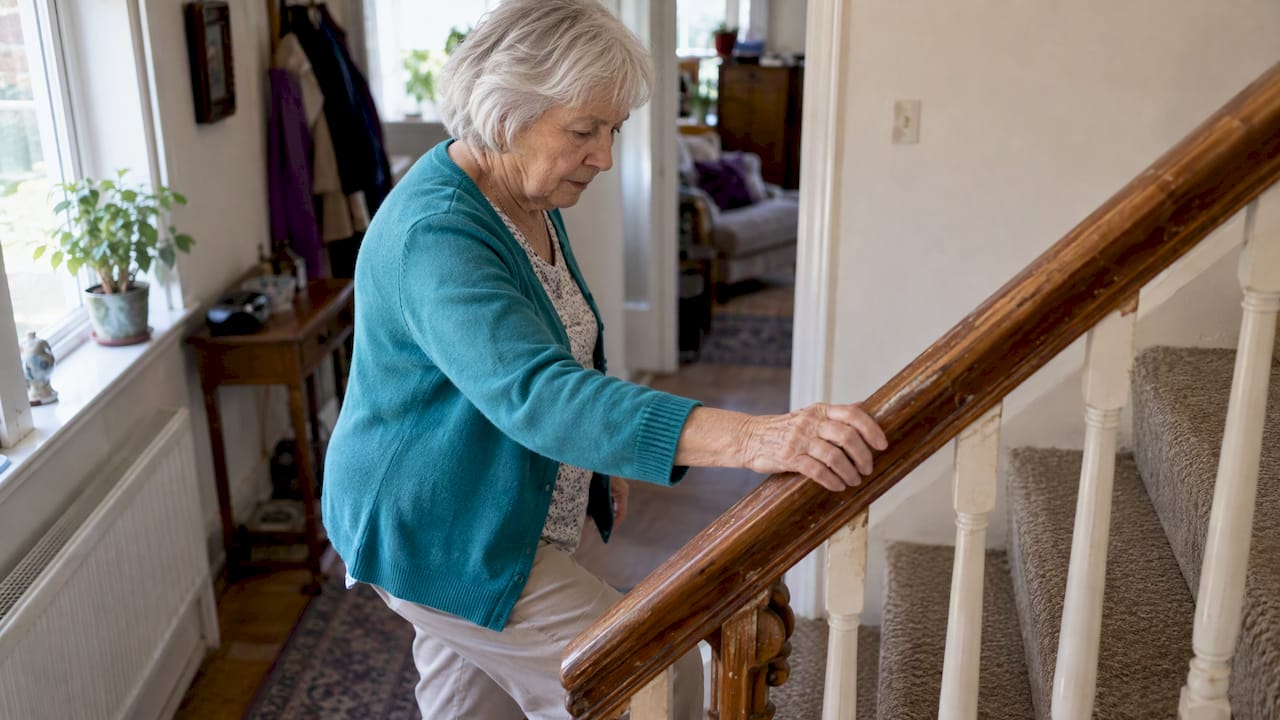
Falls are the leading hazard inside the home for people living alone, especially older adults, and most of the fixes are inexpensive. Start by clearing trip hazards: loose cords, clutter in walkways, and rugs that aren’t secured with non-slip backing.
- Add nightlights along the path from bedroom to bathroom, and keep stairways evenly lit with switches at both ends.
- Install grab bars near the toilet and shower, add non-slip mats, and put handrails on both sides of any staircase.
- Keep a phone and glasses within arm’s reach of the bed, and evaluate whether your everyday footwear has enough grip.
- Secure loose thresholds and door saddles that can catch a foot or a cane.
Exercise matters as much as hardware. Programs built around muscle-strengthening and balance retraining can cut fall rates by up to 35% among older adults, which makes a weekly balance class or physical-therapy routine one of the highest-value items on this list.
Pro Tip: If stairs, bathroom transfers, or balance have become a concern, ask your doctor for a referral to an occupational therapist for a full home safety audit.
For a companion checklist focused specifically on this population, see our app-ready senior safety checklist.
Building your emergency plan: contacts, medication, and power loss
A safety plan only works if it is written down somewhere you can find it under stress. Keep your emergency contacts in three places: a paper copy posted near the door, saved in your phone, and shared with one trusted person outside your home.
- List your doctor, pharmacist, a nearby relative or friend, and poison control, and update the list whenever a number of changes.
- Keep a current medication list with dosages, and know how long each medication can safely go without refrigeration before calling your pharmacist.
- Plan for outages using the same food-safety windows noted earlier (about 4 hours for a fridge, 48 for a full freezer), and keep a portable charger or backup battery for your phone and any medical devices.
- Identify two exits from your home and practice the route, including a backup if the main door is blocked.
- Pick a meeting place outside the home, and run through the whole plan with your trusted contact once a quarter so it stays current.
Printable versions of this structure, including fillable contact sheets, are available through our family safety plan steps with official templates.
Staying connected: routines that double as safety measures
Regular contact with another person is not just good for your mood. It is one of the fastest ways anyone would notice if something went wrong. Social isolation and loneliness affect an estimated 20 to 34% of older people in many regions, and the health risks tied to that isolation are comparable to other major safety concerns.
- Set a predictable daily or twice-weekly call with a friend, neighbor, or family member, plus a backup contact if the first one is unreachable.
- Ask about local volunteer befriending or phone-buddy programs if you don’t have a regular contact already.
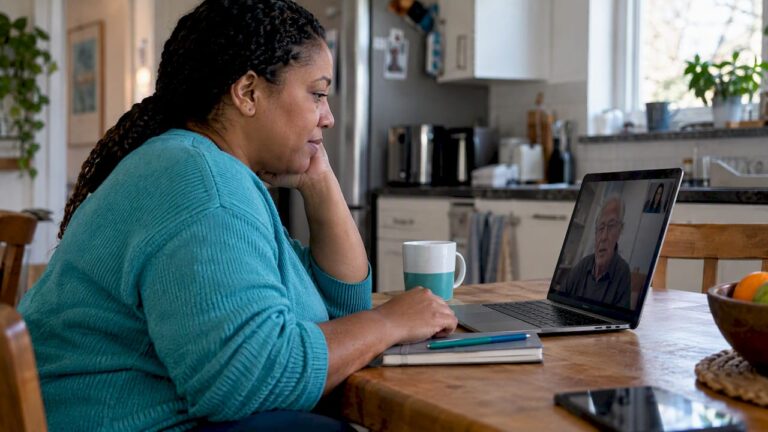
- Choose digital tools like video calls or check-in apps if you’re comfortable with them, or stick to phone calls and in-person visits if you’re not.
- If missed calls, withdrawal, or a noticeable mood change show up over several weeks, treat it as a signal to loop in a doctor or counselor.
Our guide on weekly check-in frequency for seniors covers how often is often enough, and when it’s worth automating part of the routine.
Turning this checklist into a weekly family habit
A single walk-through does more than any amount of reading. Spend 20 minutes with a loved one testing every lock, detector, and light switch in the home, then split the fixes across the week so nothing gets postponed indefinitely. Weekly, recheck locks and detector lights. Monthly, replace batteries where needed and review the medication list for changes.
— Brian
A simpler way to keep daily check-ins consistent
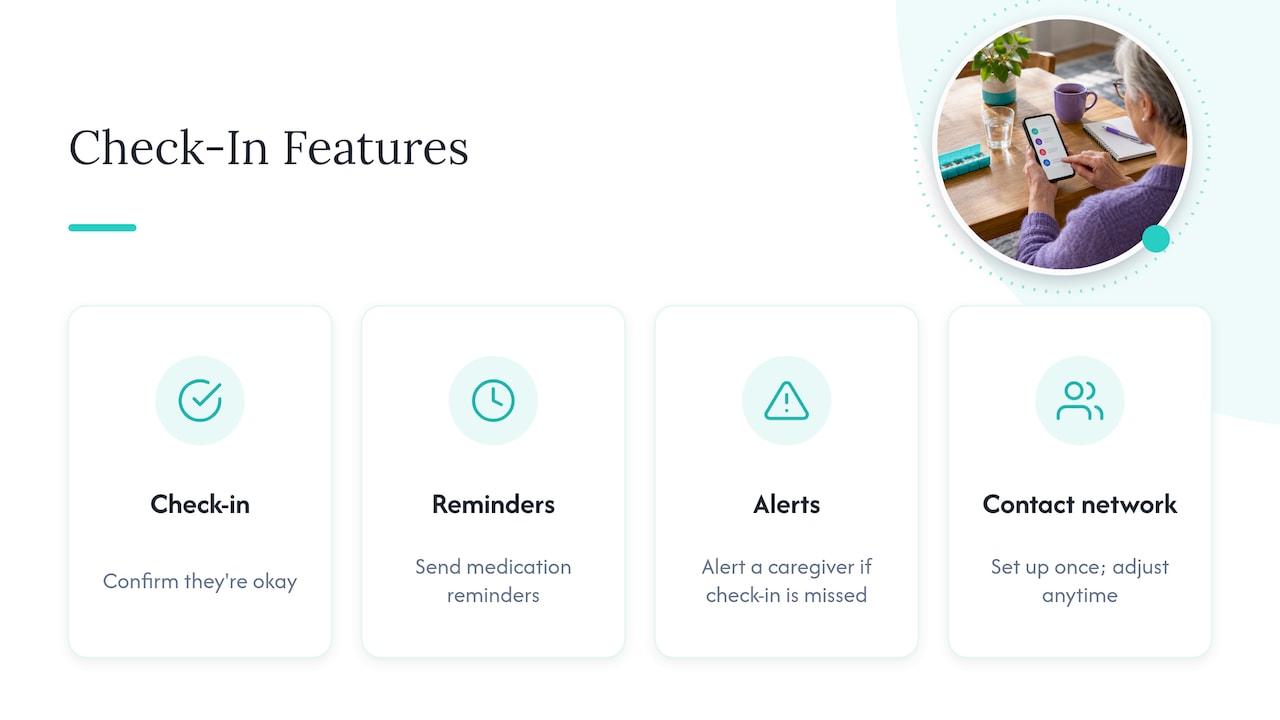
Checklists work best with a routine behind them, and that’s where we come in with our Personal Care Checklist for Seniors: A Caregiver’s Guide. We give older adults a simple way to confirm they’re okay, send medication reminders, and automatically alert a family member or caregiver if a check-in is missed, supported by an emergency contact network you set up once and adjust anytime.
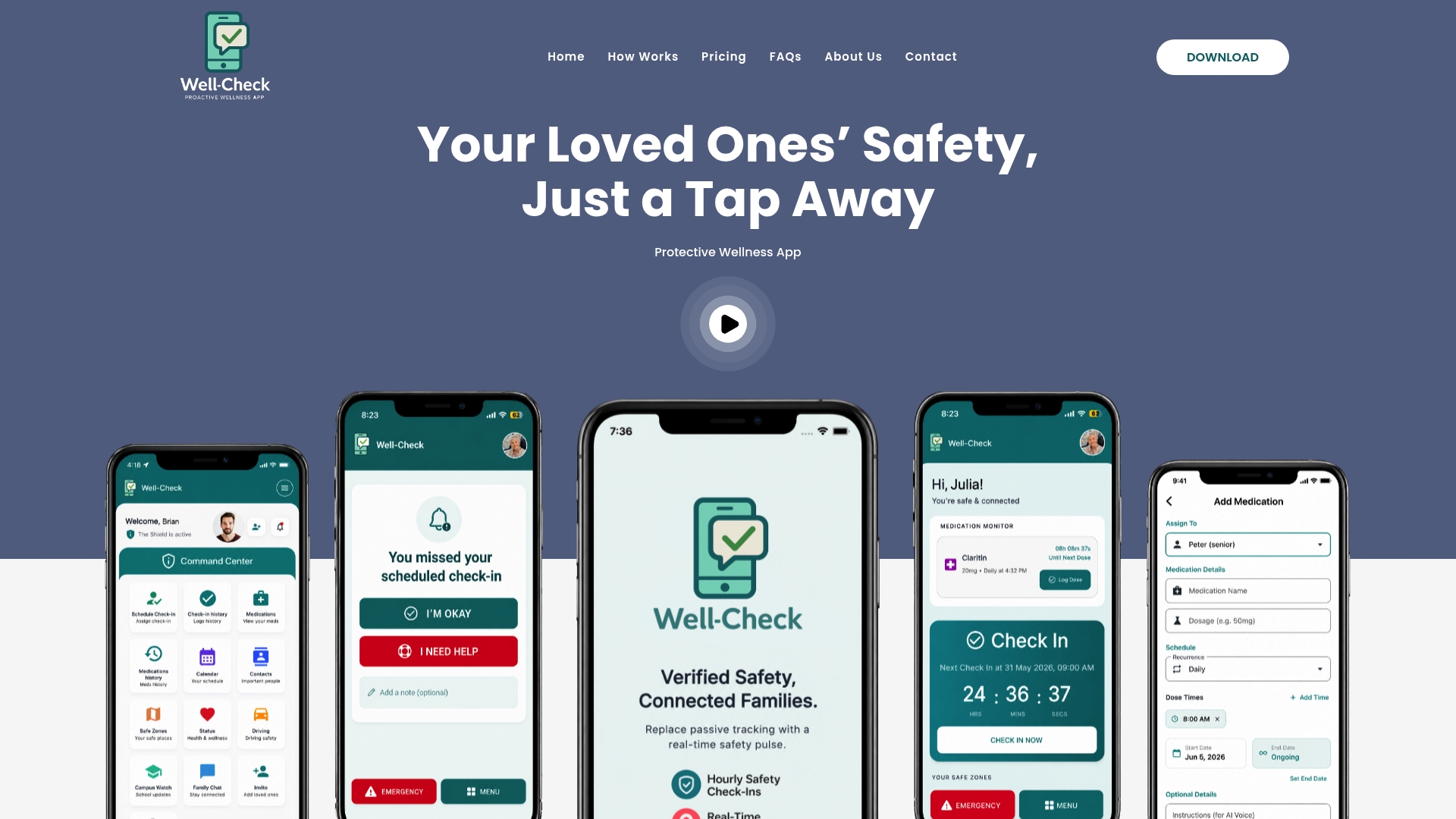
It fits naturally alongside the fall-prevention and connection steps above, built for seniors living alone and for the families and caregivers who worry about them between visits. Compare the Essential and Complete plans on our pricing page to see which fits your routine.
This article is general information, not a substitute for advice from a qualified doctor. Consult a qualified healthcare professional about your own circumstances before acting on anything here.
FAQ
How can I live alone at 17?
Whether you can live alone depends heavily on where you are, since the legal age and any requirements vary by location, so check local regulations before signing a lease. Where it’s permitted, the same core checklist applies: secured doors and windows, working smoke and CO detectors, a written emergency contact list, and a regular check-in with a parent, guardian, or trusted adult.
How do I stay motivated when living alone?
Structure helps more than willpower: a consistent wake time, a short daily routine, and a scheduled call or visit with someone else give the day shape. Many people also find that joining a regular activity, class, or volunteer group creates built-in social contact that makes motivation less of a daily decision.
How do I adjust to living alone after bereavement?
Grief and a sudden change in living situation often overlap, so it helps to keep the safety basics (locks, detectors, emergency contacts) in place early, since they reduce one layer of stress while you adjust. Leaning on a bereavement support group, counselor, or regular check-ins with family can ease the transition, and it’s worth watching for prolonged withdrawal as a sign to seek professional support.
How does living alone affect mental health?
Living alone itself isn’t inherently harmful, but it can increase the risk of isolation and loneliness, which the World Health Organization links to higher rates of depression, cognitive decline, and other health risks. Regular social contact, whether through calls, visits, or community programs, is one of the most practical ways to offset that risk.
What should I check before relying on a wellness or check-in app?
Look for how the app handles missed check-ins, whether it supports multiple emergency contacts, and how clearly it explains its privacy and location-sharing practices. It’s also worth confirming pricing and plan features directly, since those details vary by provider.
Sources
- CDC Compendium on interventions to prevent falls in community-dwelling older adults
- WHO: Social isolation and loneliness among older people
- Ready