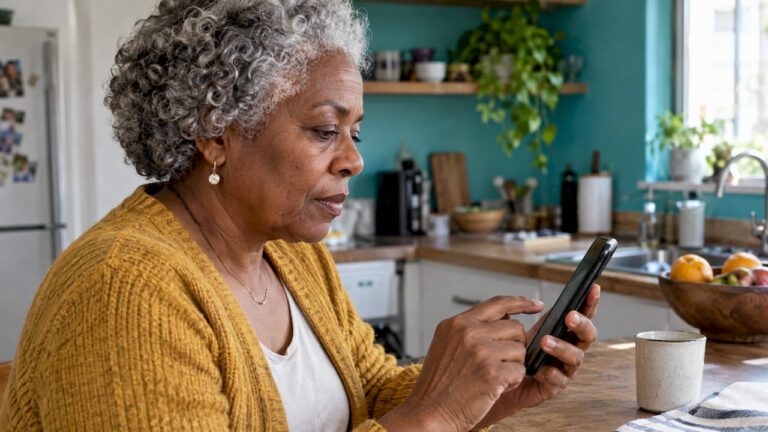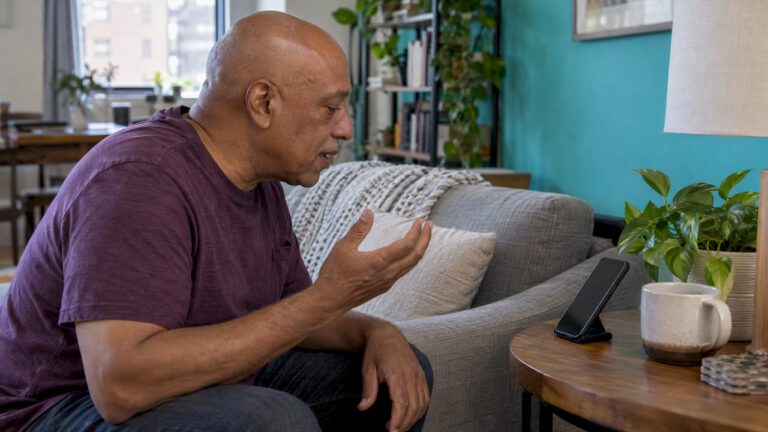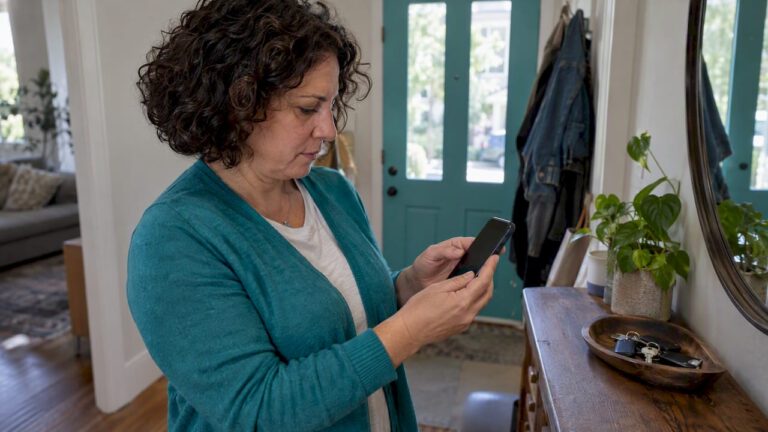
For an older adult who lives alone, disaster preparedness comes down to two things: supplies that last at least a week, and a person who knows within hours whether you are safe. The kit is the easy part. The hard part is the check-in, because phones, power and roads often fail together. We built Well-Check around that second part: a one-tap daily check-in that alerts your emergency contacts if you miss one.
This guide walks through the plan step by step, using guidance from FEMA, the National Institute on Aging (NIA), the CDC and the American Red Cross.
TL;DR
- Start by listing your own needs: medical conditions, mobility, diet, pets, and who can help you.
- Build two kits, one to stay home and one to leave with, with at least a week of medications and backup power for medical devices.
- Keep your health information on paper and on a flash drive, and give a copy to a backup person.
- Sign up for local alerts and agree on more than one way to reach your family.
- Set up a daily check-in so a missed one triggers a call, not a long silence.
Table of Contents
- Start with your needs, not a generic list
- Decide: stay home or leave
- Build two kits
- Make communication work when phones do not
- Add a daily check-in before the storm
- Prepare for the days after
- Perspective
- Put the plan on autopilot
- FAQ
- Sources
Start with your needs, not a generic list
A standard checklist helps, but the best plans begin with questions. FEMA’s guide for older adults asks you to think through medical conditions and diet, mobility challenges, pets or service animals, how you will communicate, and whether you need help moving supplies or building the plan. If you have a disability, it adds questions about accessible evacuation routes and shelters, and whether your caregivers know the plan.
FEMA also stresses planning for your lowest likely level of functioning, not your best day. Ask yourself: if I were tired, hurt or without my glasses, could I still carry this kit, open this door, or reach this exit?
Write the answers down. Ready.gov’s Make A Plan page offers a fillable family emergency plan form that covers alerts, shelter, evacuation route, communication and kit needs in one document.
Decide: stay home or leave
The NIA frames the core decision as shelter-in-place versus evacuation. When evacuation is not mandatory, it advises being realistic about the comfort and safety you need, how well you can move, and how much help you will need, then preparing so you can leave if the time comes.
For a senior living alone, the practical version is to decide in advance:
- Who will drive you or meet you if you must leave?
- Where will you go, and is that place accessible?
- What would make you leave early, such as a hurricane watch or a wildfire warning?
The NIA also notes that you can find open shelters by texting SHELTER and your ZIP code to 43362, or at ready.gov/shelter or disasterassistance.gov. Not every shelter accepts pets, so FEMA recommends planning for animals ahead of time.
Build two kits
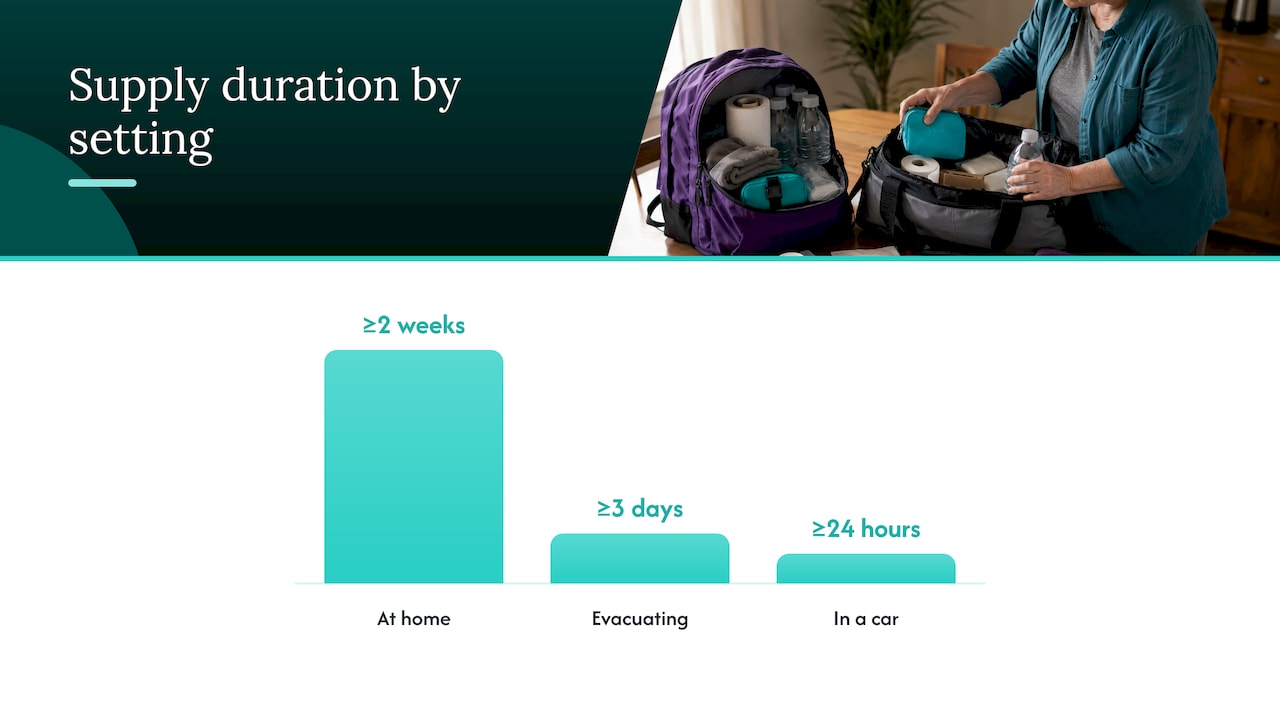
The American Red Cross recommends a stay-at-home supply plus a lightweight evacuation kit. Its guidance suggests supplies for the household, including pets and service animals, for at least two weeks at home, a kit for at least three days when evacuating, and at least 24 hours of supplies in your car.
The basics
The NIA’s kit list covers three to seven days of essentials:
- One gallon of water per person per day
- Nonperishable food and a manual can opener
- A battery-powered or hand-cranked radio
- A flashlight with extra batteries
- A first-aid kit and hygiene supplies
- A whistle, blankets, sturdy shoes and clothing
- A charged phone with a backup battery
- Eyeglasses, hearing aids with spare batteries, and medications
Food matters too. If you follow a special diet, build it into the kit. Rotate stock so it stays fresh.
Medications and medical supplies
This is where seniors’ kits most often fall short. Guidance varies by source, so aim for the longest recommendation you can manage:
| Source | Medication supply advised |
|---|---|
| Ready NC | At least 7 days, and oxygen and battery power for 7 days |
| American Red Cross | At least 30 days of medications |
| CDC | At least a week at home, with a cooler for refrigerated medication |
Keep a printed list of every medication with dose, purpose, schedule and prescribing doctor. UConn Extension’s go bag guide also suggests copies of Medicare or Medicaid and insurance cards, doctor and pharmacy contacts, spare glasses, and devices such as a foldable cane, walker, diabetes supplies or a CPAP machine with its power supply.
FEMA’s guidance on running out of medication adds a useful habit: fill prescriptions on the first day you can, and keep paper and flash-drive copies.
If you rely on powered equipment, the NIA reports that only 25% of older adults using essential electric medical equipment have backup power. It recommends talking with your doctor or medical supply provider about backup equipment. If you are on dialysis, ask your doctor now about backup treatment if your usual facility closes. If a medication needs refrigeration, ask your doctor about alternate storage or a substitute.
Documents and health information
The NIA lists identification, Social Security cards, insurance cards, medical records, property insurance policies and family contact information as papers to protect. Keep them in a watertight container, as the CDC advises.
A one-page summary is what responders actually read. The California Department of Aging suggests a simple information sheet with emergency contacts, medications and allergies, conditions, doctors and pharmacies, equipment and power needs, and any advance health care directive. If you would rather keep records digitally, a digital emergency ID can make that health information available to responders and family. Our own caregiver emergency binder guide covers what to put in the first five minutes of paper.
Make communication work when phones do not
A plan fails quietly if nobody can reach you. The American Red Cross advises sharing your plan with your support network through more than one channel, in case power, phone networks or the internet go down. It also suggests one contact nearby and one outside your area, and learning alternate methods such as texts, email and internet phone services.
FEMA adds practical steps:
- Ask a family member, caregiver or neighbor to check in by phone or in person when a disaster hits.
- Make sure at least one person has a spare key and knows where your supplies are.
- Post emergency numbers near home phones.
- Pick a meeting place in case you are separated.
For alerts, the NIA recommends the FEMA app, a NOAA weather radio or app, and, for earthquakes, the USGS Earthquake Notification Service. Learn which disasters are most likely where you live and keep your phone charged.
If you want help building a contact list that works, see our guides on building a verified emergency contact list and setting up family emergency alerts. A backup caregiver plan also needs someone who can step in, trusted neighbors, alternate transportation and a clear record of who holds keys or entry codes. For long-distance families, a 45-minute family meeting is a good way to settle those roles.
Add a daily check-in before the storm
Most disaster guidance assumes someone will notice if you go quiet. When you live alone, that only happens if you set it up. A daily check-in gives your family a baseline: they hear from you every day, so a missed one is a signal rather than a guess.
Here is how that routine looks in practice:
- Pick a time you will not forget. Tie it to something fixed, like morning coffee or your first medication.
- Choose who gets the alert. Three to five people is plenty, ideally including one outside your area.
- Agree what a miss means. Who calls first, who goes to the door, when someone calls for help. Our missed check-in protocol lays this out step by step.
- Practice once. Run a test so everyone knows what the alert looks like.
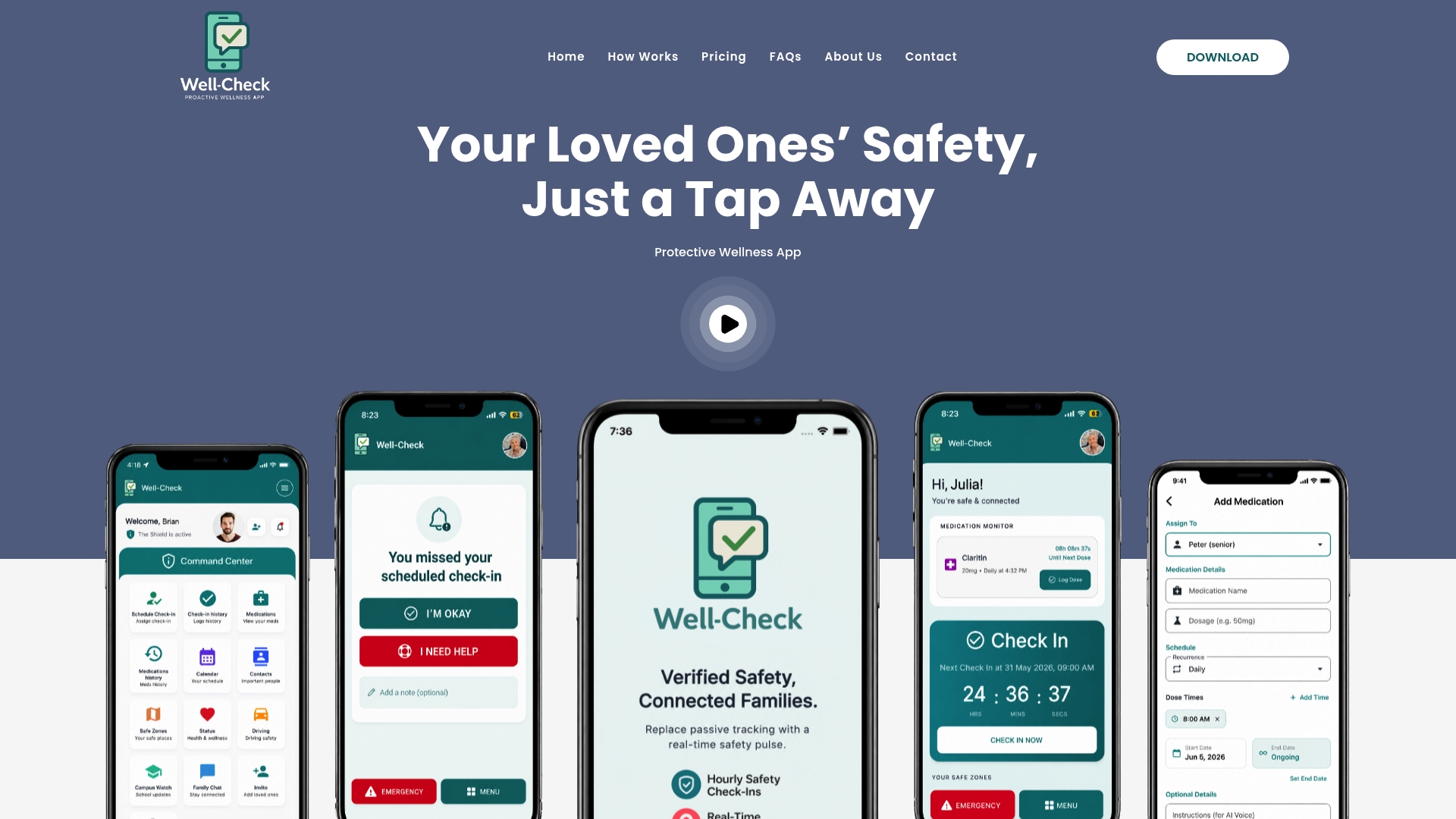
Well-Check’s app is built for exactly this: an “I’m okay” confirmation or one-tap help, missed check-in alerts to your emergency contacts, medication reminders, and a network of emergency contacts you create. It also offers GPS tracking and smart caregiver analysis. The same tap that tells your daughter you are fine on an ordinary Tuesday is the one that tells her on the day after a storm.
Prepare for the days after
Recovery has its own list. The California Department of Aging advises caregivers to handle immediate needs first, then confirm the loved one is safe, contact family, apply for FEMA assistance if available, replace medications and equipment, reconnect home care, meals and transportation, replace documents, watch for stress, confusion or isolation, and guard against scams.
Some specifics worth knowing:
- FEMA’s Emergency Prescription Assistance Program, when activated, helps uninsured people in federally identified disaster areas get prescriptions, supplies and equipment such as walkers and wheelchairs.
- According to CMS, people with Medicare should replace durable medical equipment through Medicare before seeking FEMA replacement. FEMA Individual Assistance is 1-800-621-3362, and applications go through disasterassistance.gov.
- In January 2025, California directed health plans to speed approvals and replace lost prescriptions and ID cards after the Los Angeles fires. That shows the kind of help that may open up after a declared disaster, so ask your plan what applies to you.
If you also worry about coverage gaps, reviewing your Medicare or ACA plan with a licensed adviser before an emergency is easier than doing it after. A health coverage check-in is a sensible yearly habit.
Perspective
Most preparedness advice is about things: water, batteries, flashlights. Those matter. But a senior living alone is rarely hurt by a missing flashlight. The bigger risk is that nobody knows for a day or two that something is wrong.
That is why we designed Well-Check around a simple daily habit. One tap says you are okay. If a check-in is missed, your emergency contacts hear about it. We built it for simplicity and dignity, so independence does not have to mean going unseen.
Set up the routine on a calm day, test it with your family, and the kit becomes the backup, not the whole plan.
Brian
Put the plan on autopilot
Well-Check’s Essential plan is $5.99 per month and the Complete plan is $7.99 per month. Both are on our pricing page. The app gives you the daily check-in, missed check-in alerts to your contacts and medication reminders in one place, so the routine in this guide runs on its own. You can see how it works for older adults before you choose.
For a longer home review, our living alone safety checklist and safety plan in three moves are good next reads.
FAQ
How much food and water should a senior store?
The NIA advises three to seven days of essentials, including one gallon of water per person per day and nonperishable food. The Red Cross suggests planning for at least two weeks at home for the whole household, including pets and service animals.
What should I do if I rely on electric medical equipment?
Talk to your doctor or medical supply provider about backup equipment and battery power. Ready NC advises storing oxygen, medications and battery power for at least seven days, and labeling equipment with water-resistant instruction cards.
How can my family reach me if phones go down?
Agree on more than one way to connect, such as texts, email and a contact outside your area, as the Red Cross advises. Also name a neighbor who can check in person and who holds a spare key, and choose a meeting place in case you are separated.
How do I find an open shelter?
Text SHELTER and your ZIP code to 43362, or visit ready.gov/shelter or disasterassistance.gov, as the NIA describes. Ask in advance whether the shelter accepts pets and can meet your mobility needs.
Sources
- FEMA Disaster Preparedness Guide for Older Adults
- Make A Plan, Ready.gov
- NIA: Disaster Preparedness and Recovery for Older Adults
- American Red Cross: Disaster and Emergency Preparedness for Older Adults
- American Red Cross: Older Adults Emergency Preparedness
- Ready NC: Seniors
- CDC: How to Build an Individual Emergency Kit
- UConn Extension: Packing Your Go Bag for Older Adults
- California Department of Aging: Emergency Planning for Caregivers
- FEMA: What should I do if I run out of medication?
- CMS: Replacing Durable Medical Equipment and Prescription Drugs After a Disaster
- California Health and Human Services: Los Angeles fires health care access, January 2025