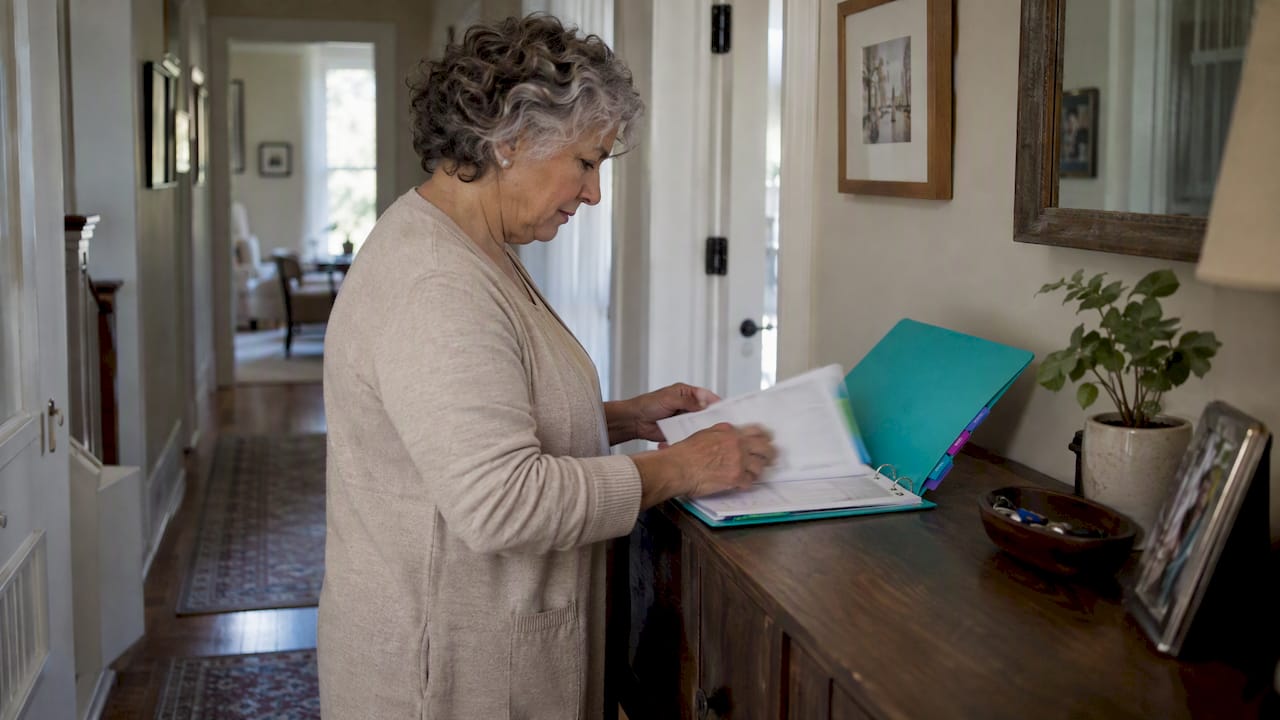
A caregiver emergency binder is one organized place for the critical contact, medication, and legal information someone else would need if you could not be there. Start with a single one-page emergency summary: medications, allergies, and the primary contact. Printable templates are the quickest way to begin, and you will find the page set, storage tips, and an emergency playbook below.
TL;DR:
- Start with a front pocket emergency summary listing medications, allergies, conditions, and the primary contact, then add provider, insurance, legal, and daily care pages.
- Keep one master medication list with each drug’s dose, timing, purpose, and prescriber; update it the day a clinician changes treatment.
- Store the binder in a known, unlocked spot, scan it as one PDF, and share read only access with relatives and the doctor.
- Give each medical device its own page with normal settings, basic operating steps, alarm guidance, maintenance dates, and a failure contact.
- Review the binder at least annually and after health, medication, or legal changes; date every revision and assign a backup editor.
Table of Contents
- What to put in a caregiver emergency binder, page by page
- Quick-start printable pages and a simple template layout
- How to organize and store the binder, with digital backups
- How to use the binder during an emergency
- Maintaining and updating the binder
- Instructions for caregivers on managing medical devices and equipment
- Important financial information and access details
- Emergency preparedness plan: evacuation routes, nearby hospitals, and backup power
- Medication management tips: how to track, store, and refill
- A caregiver’s view: start small, protect dignity, keep it alive
- How a tool like Well-Check pairs with your binder
- FAQ
- Sources
What to put in a caregiver emergency binder, page by page
Think of the binder as a handoff document. A stranger, a paramedic, or a relative arriving from out of town should be able to open it and understand the situation within minutes. The CDC care plan guidance describes a care plan as a summary of health conditions, current treatments, medicines, and provider contacts, and says consistent use can reduce unnecessary emergency visits. Use these pages as your checklist:
- Personal and ID information: full name, preferred name, date of birth, a recent photo, and primary language.
- Emergency contacts: a primary contact, a backup, neighbors, and who holds a spare key. Label each person’s role.
- Medication list: exact medication names, doses, times of day, the prescriber, and the pharmacy phone number.
- Providers and insurance: primary care doctor, specialists, clinic phone numbers, insurance ID numbers, and medical record numbers.
- Health and communication notes: allergies, mobility aids, hearing or vision needs, diet restrictions, and behaviors a responder should expect.
- Legal documents: advance directive, power of attorney, and a note on where the originals are kept.
- Daily care notes: feeding, toileting, mobility help, and sleep routines, so a substitute caregiver can follow the same rhythm.
- Wallet-sized emergency ID card: the care recipient’s name, conditions, allergies, and contact numbers for the people holding the plan.
On that last item, The Senior Alliance caregiver binder includes wallet-sized ID cards and cautions against putting the care recipient’s home address on one, since a lost card could create a theft risk.
Pro Tip: Write the medication list in pencil or on a separate sheet you can swap out, because it changes more often than any other page.
Quick-start printable pages and a simple template layout
You do not need a perfect binder. You need a functional one, and a focused set of pages can be put together at your own pace. Print the pages in this priority order, finishing each before you move to the next:
- One-page emergency summary: medications, allergies, conditions, and the primary contact. Slide it into the front pocket.
- Medication chart: every drug, dose, time, and prescriber on one grid.
- Provider and insurance page: names, phone numbers, and ID numbers in one table.
- Legal checklist: which documents exist and where the originals live.
- Daily routine page: the care schedule from waking to bedtime.
- Wallet emergency cards: one for the care recipient and one for you as the caregiver.
For layout, use a binder with the summary in the clear front pocket and five labeled tabs behind it: Contacts, Meds, Providers, Legal, and Daily Notes. Print copies of the summary: one for the primary caregiver, one for the backup contact, and one for the primary care office. Cut out the wallet cards and laminate them, or tuck them into plastic card sleeves so they survive a purse or pocket.
If you want ready-made downloads, The Senior Alliance caregiver resources page offers binders and page sets you can customize and print, and the CDC complete care plan form covers emergency contacts, when to call a doctor or go to the ER, and an appointment calendar.
How to organize and store the binder, with digital backups
A binder only helps if someone can find it in an emergency. Keep the physical copy in a central, predictable spot, such as a kitchen shelf or near the front door, where every caregiver knows to look. Avoid burying it in a closet or a locked drawer.
- Use a binder with clear sleeves, so papers stay readable and you can swap pages quickly.
- Label tabs in large print, and keep the emergency summary in the front pocket.
- Scan every page into a single PDF and store it in a shared cloud folder. Give relatives view-only access, and give the binder’s owner edit access.
PDF on your phone and keep a printed copy in your travel bag, so the information goes where you go. - Keep wallet cards contact-centered. List who to call rather than personal details a stranger could misuse.
The CarerGateway emergency care plan guide recommends keeping copies in the home, on a phone or computer, and with emergency contacts and the doctor. Following that spread means the binder survives a lost original.
Pro Tip: Take a photo of the front-pocket summary every time you update it, so your phone always holds the latest version.
How to use the binder during an emergency
When something happens, speed matters more than completeness. Work through these five actions:
- Grab the one-page emergency summary from the front pocket.
- Call the primary contact, and the backup if there is no answer.
- Gather the current medication list and allergy information.
- Find the advance directive copy, if one exists, and note any do-not-resuscitate instructions.
- Prepare directions and keys for responders, and unlock or clear the entry path.
When paramedics or ER staff arrive, hand them the summary and point to the medications, allergies, and recent symptoms. Do not make them hunt through tabs. If you live far away, send scanned copies to whoever is on the way and confirm who is arriving and when. Bring the medication list, the ID card, insurance information, and key legal documents to the hospital, because registration staff will ask for them.
Maintaining and updating the binder
A stale binder can be worse than none, because someone may trust outdated doses. Review the whole binder at least annually, and again after any major change in health, medications, or legal documents. Guidance from the National Institute on Aging on advance care planning supports regular updates and a calm, team-based approach before a crisis.
- Assign one owner and one backup who both know how to edit the binder.
- Date-stamp every page when it changes.
- Add a version history sheet listing what changed and when.
- Check phone numbers and medications regularly.
Experts at the National Institute on Aging advise that accepting help, such as respite or shared tasks, is essential to sustaining health for both caregivers and care recipients. Naming a binder backup is one easy way to share the load.
Instructions for caregivers on managing medical devices and equipment
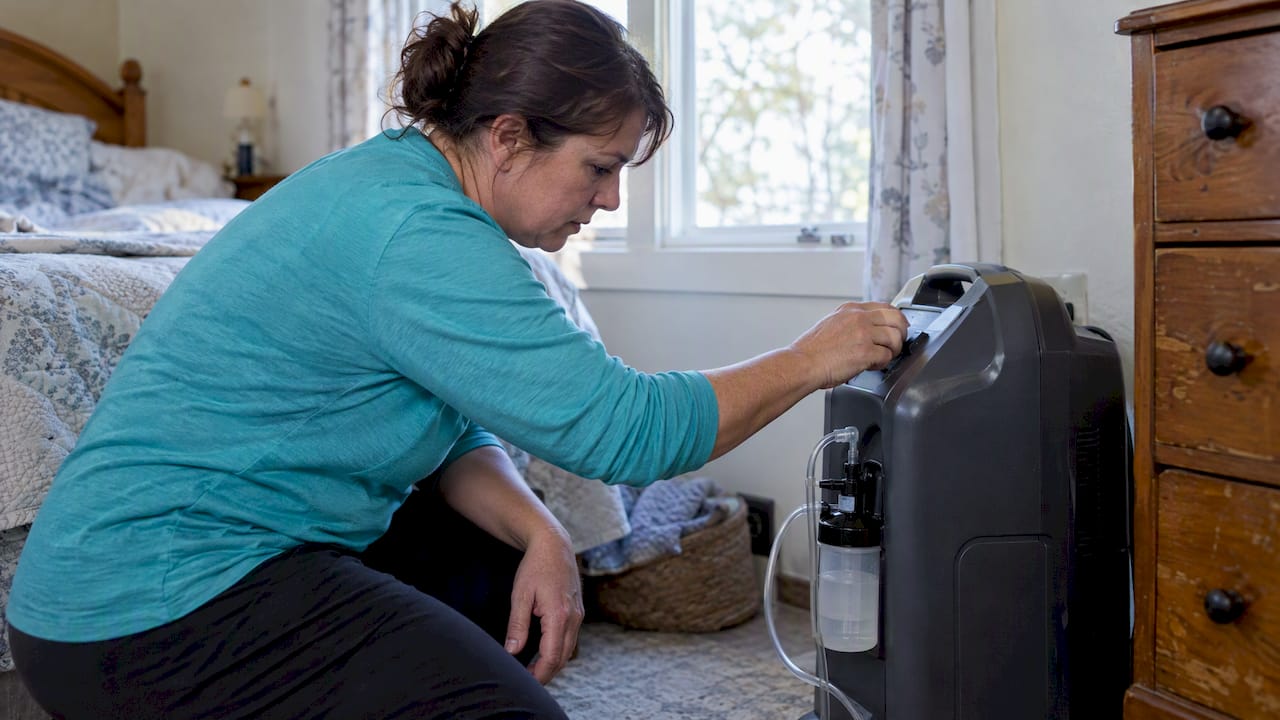
Many binders list conditions and drugs but skip the equipment, even though a substitute caregiver may need to run it on day one. Give every device its own page, whether it is an oxygen concentrator, a CPAP machine, a glucose meter, a hospital bed, a walker, or a lift.
For each device, record the brand and model, the supplier’s phone number, and where the manual is kept. Write the settings the care recipient normally uses, such as an oxygen flow rate or a bed height, so no one has to guess. Add plain-language steps for the basics: how to turn it on, how to check that it is working, how to clean it, and what an alarm or error light means. Note what to do if it fails, including who to call and what the backup plan is.
Add a short maintenance log with filter changes, battery replacements, and service dates. If equipment is rented, note the rental company and the return terms. Photos help a lot: one picture of the control panel with the correct settings can prevent a mistake at a stressful moment. If you are still gathering equipment, this home discharge equipment checklist is a handy reference for what a household may need.
Important financial information and access details
Money questions pile up fast when a caregiver steps in. Create one section that tells a trusted person what exists and where to find it, without turning the binder into a vault.
List the banks and account types, the bills that recur each month, and which ones are on autopay. Include insurance policies, pension or benefit payments, and any loan or credit card contacts. Record the name of the person with financial power of attorney, and note where the signed document is stored.
Keep sensitive secrets out of the binder itself. Do not write full account numbers, PINs, or passwords on a page that responders and relatives will handle. Instead, note where the secure list lives, such as a password manager, a safe, or with an attorney, and who knows how to open it. Add the name and phone number of the attorney, accountant, or financial advisor.
Digital accounts count too. Email, phone, and online banking can all become urgent if someone is hospitalized, so note which accounts exist. For help organizing estate and account details, this digital legacy planning guide walks through what to gather.
Emergency preparedness plan: evacuation routes, nearby hospitals, and backup power
Medical emergencies are not the only kind. Storms, fires, outages, and floods can all hit someone who has limited mobility or relies on powered equipment. Give this section its own page.
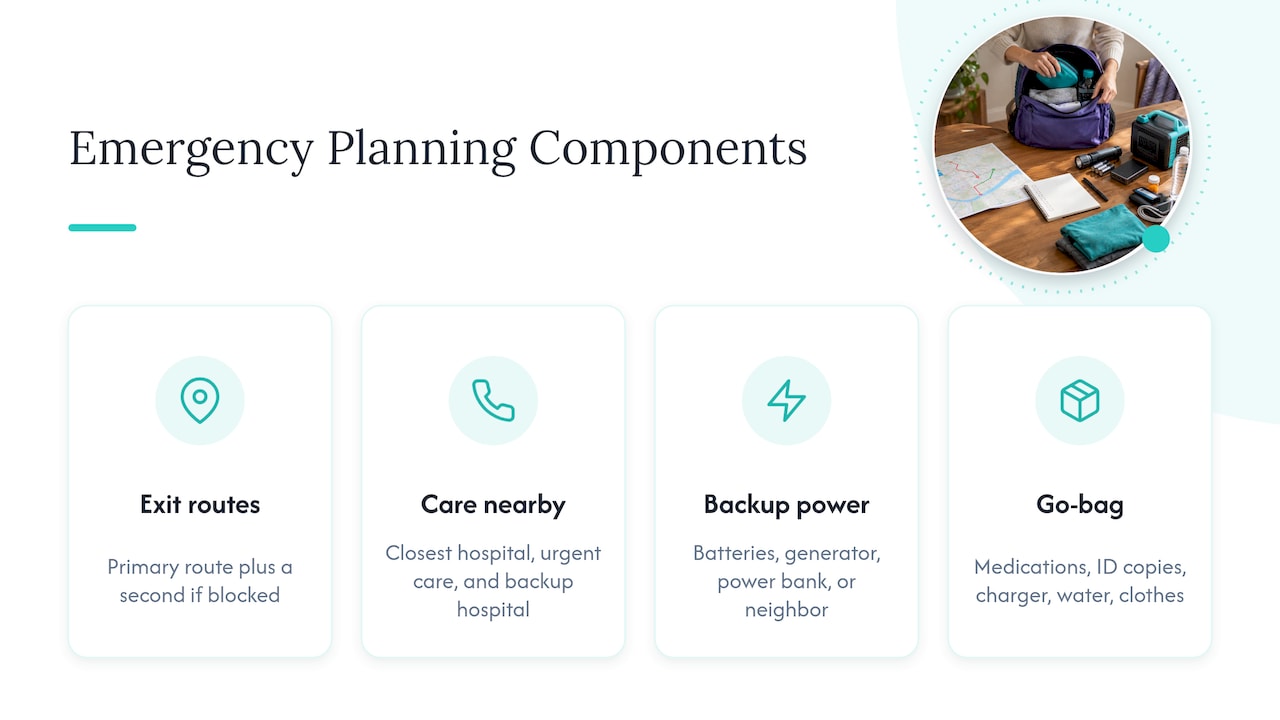
Start with the exits. Sketch or describe the best way out of the home, including a second route if the first is blocked. Note who can help with stairs, and where the wheelchair or walker is kept. Record the address and phone number of the closest hospital and the closest urgent care, plus a second hospital in case the first is unreachable.
Then cover power. If the care recipient uses oxygen, a lift, a powered mattress, or refrigerated medication, write down the backup plan: spare batteries, a portable generator, a charged power bank, or a neighbor’s home. Include your electric utility’s phone number and any medical-priority registration you have filed.
Finish with a go-bag list: an adequate supply of medications, copies of the summary and insurance cards, a phone charger, glasses, hearing aid batteries, water, and a change of clothes. The CarerGateway emergency planning guidance offers a useful model for thinking through who steps in if the caregiver cannot. For a faster setup, our guide to starting a safety plan for seniors is a good companion.
Medication management tips: how to track, store, and refill
The medication chart is the page responders read first, so keep it accurate and keep the system behind it simple.
Track. Use a single master list with drug name, dose, time, purpose, and prescriber. Update it the day a doctor changes anything, and cross out stopped drugs instead of erasing them, so the history is clear. Bring the list to every appointment and ask the pharmacist to review it for duplicates.
Store. Keep medications in their original labeled containers, in a cool, dry place away from bathroom steam. A weekly pill organizer helps with daily doses, but keep the original bottles available, because EMS and the ER may want to see them. Store anything that needs refrigeration in a labeled bin, and keep medications out of reach of children and visitors.
Refill. Note each prescription’s refill date and the pharmacy’s phone number. Ask the pharmacy about automatic refills and a synchronized pickup day, so everything is ready at once. Set a reminder a week before supplies run out. Our guide to scheduling medication reminders shows how to make reminders dependable for seniors and caregivers.
Write a short note about what to do when a dose is missed, but make the rule come from the prescriber or pharmacist, not from a guess.
A caregiver’s view: start small, protect dignity, keep it alive
I have talked with enough family caregivers to know the pattern: people stall because they picture a perfect, color-coded binder and never begin. Begin with the one-page summary. It cuts mistakes during handoffs, because everyone reads the same sheet. Include the care recipient in the choices, since a binder built with someone respects them more than one built about them. Treat it as a living tool and update it rather than perfect it. If you also lean on remote relatives, our family meeting plan helps assign roles.
— Brian
How a tool like Well-Check pairs with your binder
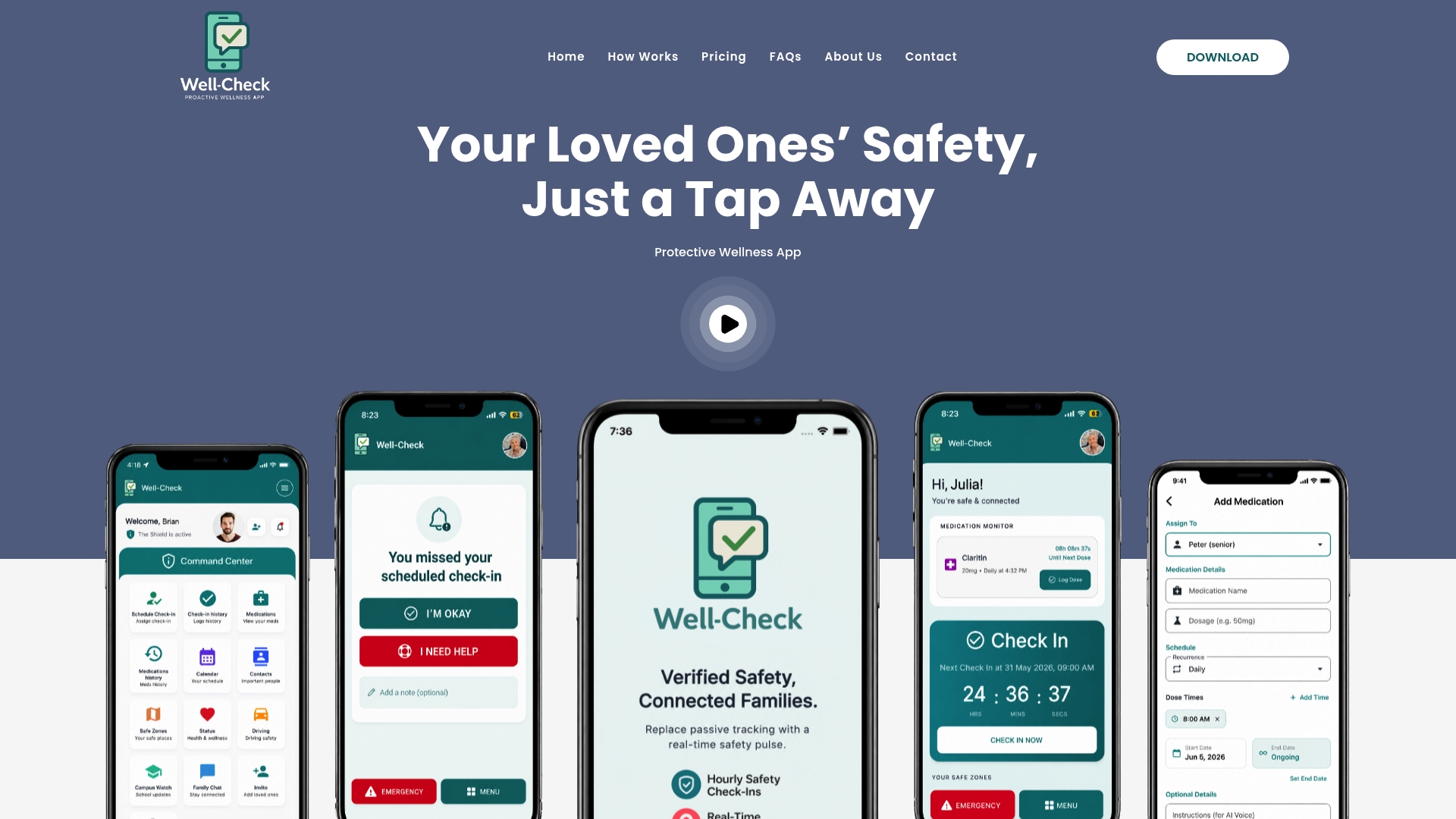
A binder is excellent for in-person handoffs and legal papers, but it cannot nudge anyone on a Tuesday morning. That is where we come in. With Well-Check, you get:
- Daily check-ins your loved one answers with one tap
- Missed-check-in alerts sent to your emergency contact network
- Medication reminders
- Optional GPS to help locate a loved one
Keep the binder for the details and let the app handle the daily signal. You can compare plans on our pricing page and start with the Essential plan at 5.99 USD per month.
FAQ
What should be included in an emergency binder?
An emergency binder should hold a one-page summary, a medication list, emergency contacts, provider and insurance details, allergies, and legal documents such as an advance directive. The CDC care plan guidance lists conditions, treatments, medicines, and provider contacts as the core content.
How do you make a caregiver care plan?
Start with the one-page summary, then add medications, providers, legal documents, and daily routines. Name a primary caregiver and share copies with the people who may need to step in, as the National Institute on Aging suggests.
How can a caregiver get a break?
Respite care offers breaks from a few hours to several weeks, through in-home aides, adult day programs, or help from family and volunteers, according to the National Institute on Aging. Our digital respite checklist also offers quick ideas.
How often should I update the binder?
Review it at least once a year and after any major change in health, medications, or legal documents. A quick quarterly check of phone numbers and prescriptions keeps it trustworthy.