A long-distance caregiver is typically a family member who lives an hour or more from an aging or ill relative, or in another state or country entirely. If this describes you, three things matter right now: confirm your loved one’s local safety and emergency contacts, build shared documentation everyone can access, and set a regular check-in rhythm. The systems below make all three achievable this week.
TL;DR:
- Ensure the primary local caregiver has access to emergency contacts, legal documents, and shared notes stored securely in the cloud for quick reference during crises.
- Establish a clear role division among family members, including a local point person, finance manager, and appointment scheduler, to prevent confusion and streamline communication.
- Prepare essential legal documents, such as power of attorney and advance directives, and store them securely to reduce stress during urgent situations.
- Choose remote-monitoring tools carefully by assessing privacy, false alarm rates, and costs, and always test alerts thoroughly before relying on them in emergencies.
- Build a reliable local support network by identifying nearby helpers, giving precise instructions, and considering professional services like geriatric care managers when needed.
Table of Contents
- What long-distance caregiving involves and the roles you may take on
- Build a coordination system: meetings, a crisis file, and clear roles
- Legal and financial paperwork to arrange before you need it
- Choosing remote-monitoring tools without sacrificing dignity
- Building a local support network and knowing when to bring in professionals
- Recognizing burnout and finding real support
- A coordination habit worth building this week
- How Well-Check supports long-distance caregiving day to day
- Authoritative resources worth bookmarking
- Sources
- FAQ
What long-distance caregiving involves and the roles you may take on
Long-distance caregiving covers a wide range of situations: an adult child an hour’s drive away, siblings spread across state lines, or children living overseas while a parent ages alone. A systematic review of long-distance caregiving estimated that 5 to 7 million people in the United States fill this role, providing real financial, physical, and emotional support despite the distance.
Your responsibilities will likely include several of the following:
- Coordinating medical appointments, insurance claims, and care decisions from afar.
- Managing or reviewing finances, bills, and benefits paperwork.
- Planning and scheduling in-person visits around key milestones or needs.
- Handling advance care planning conversations and legal document preparation.
When a parent’s needs outpace what phone calls and occasional visits can manage, it is time to bring in local professionals or consider a move closer to family or into a care facility.
Build a coordination system: meetings, a crisis file, and clear roles
Chaos in long-distance caregiving usually comes from unclear roles, not lack of love. A repeatable system fixes that. The National Institute on Aging recommends scheduled, agenda-driven family calls and a dedicated “when something happens” file to prevent miscommunication during a crisis.
Start with these four steps:
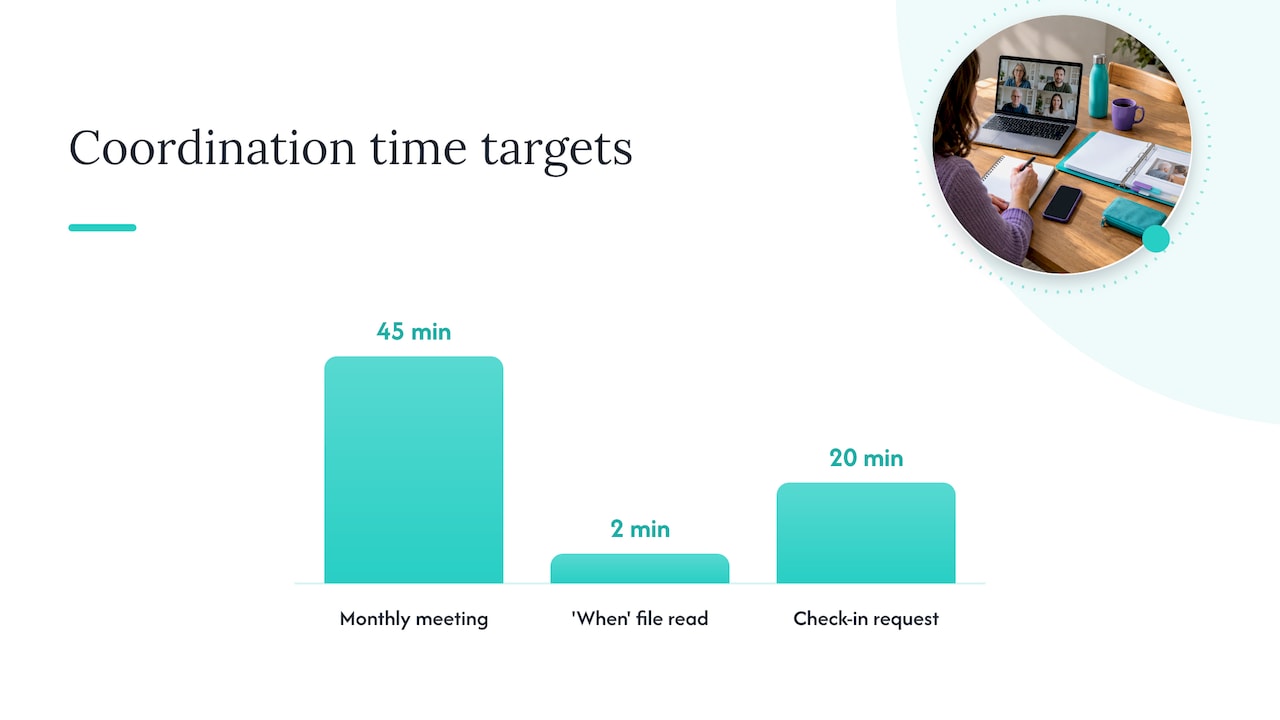
- Schedule a monthly 45-minute family meeting with a rotating facilitator, a short written agenda, and notes documenting every decision made.
- Create a one-page “when something happens” file listing emergency contacts, a medication master list, provider phone numbers, where legal documents are stored, and a one-line note on your loved one’s current condition.
- Assign explicit roles: a local point person who can respond in person, a finance manager who handles bills and benefits, and an appointment scheduler who tracks medical visits.
- Set up shared tools, including a shared calendar, one shared document for ongoing notes, and a password manager for key accounts, so no single person becomes a bottleneck.
When you ask relatives or neighbors for help, be specific. “Can you check in Tuesday at 6 PM for about 20 minutes” gets a yes far more often than “can you help out sometimes.”
Pro Tip: Keep the “when something happens” file to one page. If it takes more than two minutes to read in an emergency, it’s too long.
The monthly meeting does the real work here. It turns vague worry into a short list of decisions, and it gives everyone, including the primary local caregiver, a predictable moment to raise concerns instead of calling in a panic. Written notes also protect you later, when memories of who agreed to what inevitably differ.
Legal and financial paperwork to arrange before you need it
Four documents matter most, and arranging them before a crisis saves enormous stress during one.
- A durable power of attorney, which lets a designated person manage finances if your loved one cannot.
- A medical power of attorney or health care proxy, naming who makes medical decisions on their behalf.
- An advance directive or living will, stating treatment preferences in writing.
- A HIPAA release form, so doctors can legally speak with long-distance family members.
Store copies in a locked, shared cloud folder and leave paper copies with the local caregiver. A shared password manager keeps bank, insurance, and utility logins accessible to the people who need them without passing credentials over text or email. Alongside these documents, keep a current medication list and a one-page summary of providers, policy numbers, and insurance contacts.
Choosing remote-monitoring tools without sacrificing dignity
Remote tools generally fall into a few categories: check-in apps, telehealth platforms, personal emergency response systems (PERS), wearables, in-home sensors, and medication reminder tools. Each solves a different problem, and the right mix depends on what your loved one actually needs rather than what looks impressive.
Before committing to any tool, run through this checklist:
- Does it protect privacy and dignity, or does it feel like surveillance.
- How often does it produce false alarms, and who gets notified when it does.
- Is the cost sustainable month to month, and does it integrate with local responders if needed.
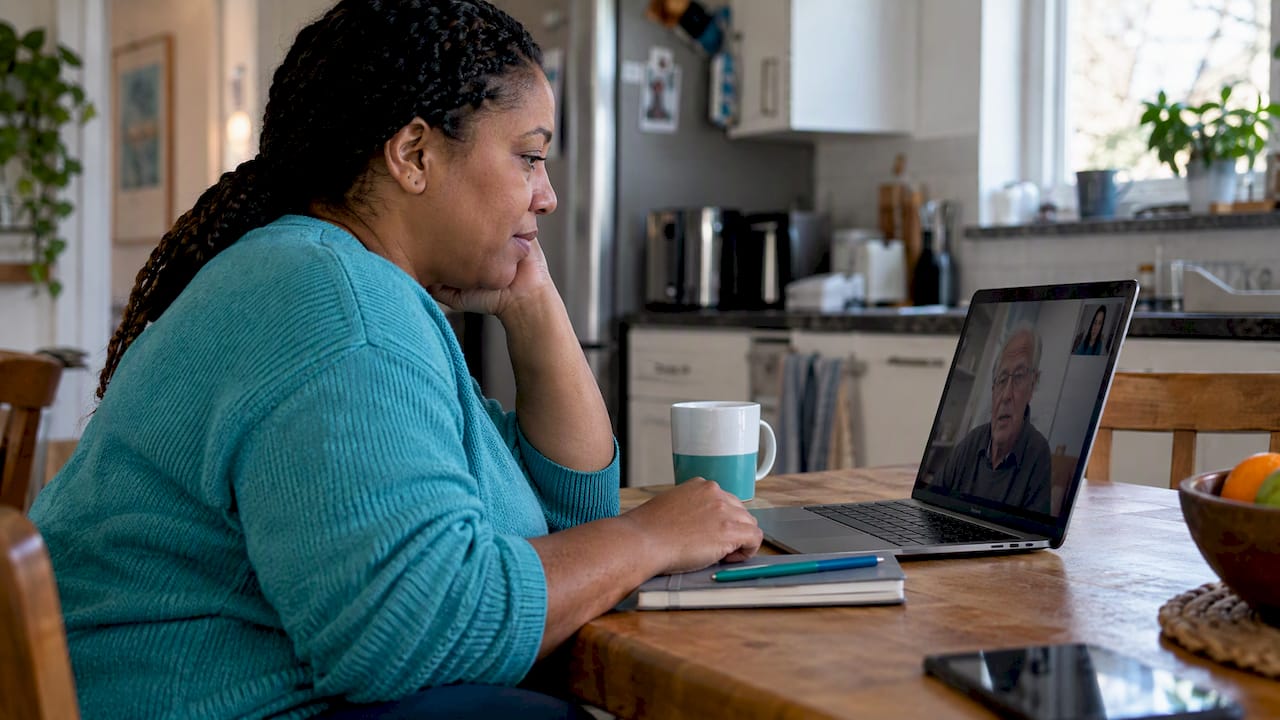
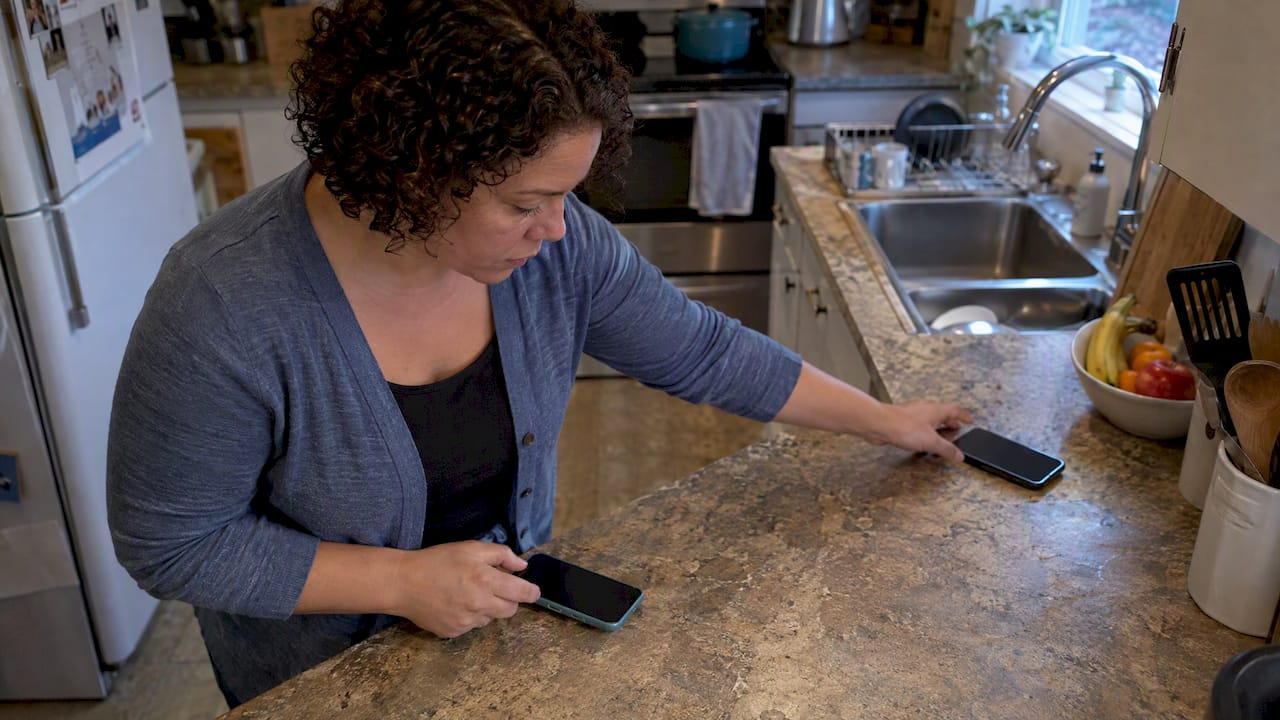
Once you pick a tool, test it properly: make a video call to confirm the interface works for your loved one, verify alerts actually reach the named contacts, and run a full week-long trial before relying on it. Document what each person should do when an alert comes in, so nobody freezes during the first real test.
Pro Tip: Run the alert test yourself from a different phone number before trusting it in a real emergency.
Building a local support network and knowing when to bring in professionals
A reliable local safety net, built deliberately, is often more valuable than any single piece of technology. Start by identifying neighbors, friends, or extended family nearby who can check in occasionally, and give them clear written instructions rather than vague requests.
- Write down exactly what you need, including specific days, times, and how long a visit should take.
- Share the “when something happens” file with anyone who might respond to a crisis.
- Offer something concrete in return, whether that is a meal delivery, a gift card, or reciprocal help.
When local complexity grows beyond what family and neighbors can manage, a geriatric care manager can step in to conduct in-person visits, coordinate medical care, and supervise paid aides. This is especially worth considering when no family member lives nearby or when a care recipient’s needs become medically complex.
If a relative nearby serves as the primary caregiver, support them directly: cover a scheduled week of respite, take over for a planned trip, or offer to handle a specific task like grocery runs or paperwork rather than a general “let me know if you need anything.”
Recognizing burnout and finding real support
Caregiver fatigue shows up as persistent exhaustion, irritability, and a creeping sense of isolation, and long-distance caregivers often carry an added layer of guilt for not being physically present. The National Institute on Aging notes that this kind of fatigue and emotional distress is common, and recommends support from mental health professionals or social workers, with some costs potentially covered by Medicare, Medicaid, or private insurance depending on the plan.
Practical respite options include:
- Scheduling a full week where another family member or paid aide takes over completely.
- Naming a specific backup person for planned hand-offs, not just “whoever is free.”
- Hiring short-term paid help during particularly demanding stretches.
For broader support, your local Area Agency on Aging and the National Family Caregiver Support Program offer respite care, counseling, and access assistance. Support groups, including those focused specifically on dementia caregiving, can also ease the isolation that comes with managing care from far away. For more on recognizing and preventing burnout, Horizons’ guidance on caregiver burnout covers counseling options and support group structures in more detail.
A coordination habit worth building this week
The habit that changes everything is simple: schedule one 45-minute family call this month with a written agenda, and build your one-page emergency file before you need it, not during a crisis. Taking a real vacation, with an explicit hand-off to a named backup, is not neglect. It is what sustainable caregiving looks like.
— Brian
How Well-Check supports long-distance caregiving day to day
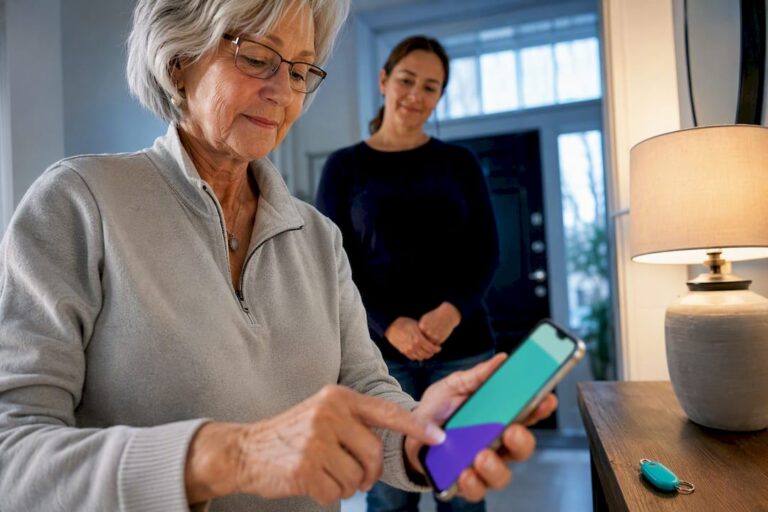
Well-Check was built around the exact gaps this kind of caregiving creates: not knowing how someone is doing today, and not finding out fast enough when something goes wrong. 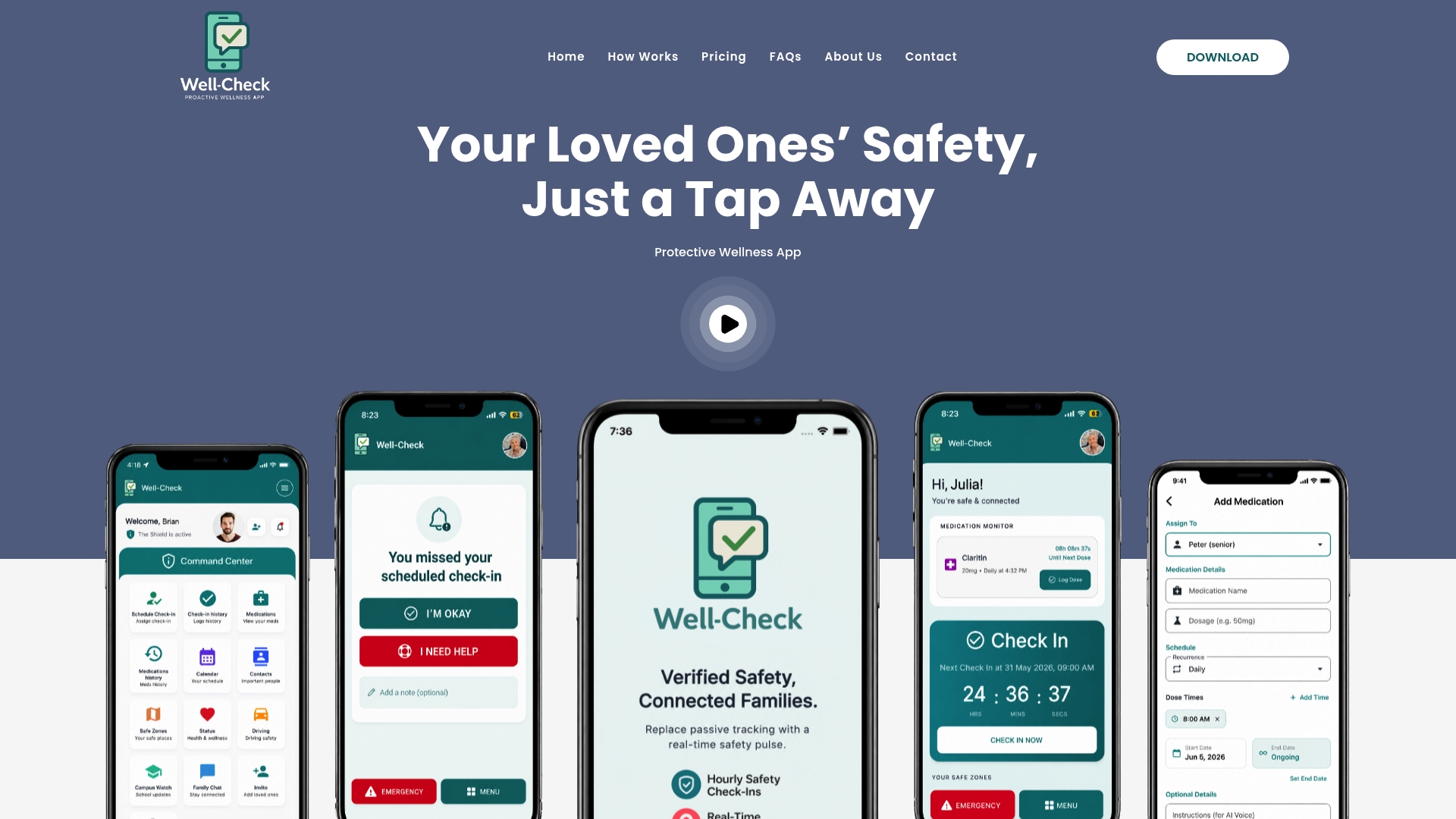
- Daily check-ins let your loved one confirm they are okay with one tap, without a phone call you both have to schedule.
- Missed check-in alerts notify emergency contacts automatically, so a local point person can be notified promptly.
- Medication reminders and location tracking can provide additional visibility while respecting daily routines.
See how it fits your situation on the how Well-Check works page, or compare the Essential plan at $5.99 per month and the Complete plan at $7.99 per month on the pricing page.
Authoritative resources worth bookmarking
- The National Institute on Aging’s long-distance caregiving guide covers practical tasks and shared documentation strategies.
- The National Family Caregiver Support Program connects families to respite care and counseling.
- Contact your local Area Agency on Aging directly for programs specific to your loved one’s community.
This article is general information, not a substitute for advice from a qualified doctor. Consult a qualified healthcare professional about your own circumstances before acting on anything here.
Sources
- Long Distance Caregiving: A Systematic Review of the Literature
- National Family Caregiver Support Program | ACL Administration for Community Living
FAQ
What is caregiver fatigue syndrome?
Caregiver fatigue describes the persistent physical and emotional exhaustion that builds up from ongoing caregiving responsibilities. The National Institute on Aging notes it is common and recommends support from mental health professionals or social workers, with some costs potentially covered depending on insurance.
What is caregiver anger?
Caregiver anger refers to the frustration, resentment, or irritability that can surface when caregiving demands exceed a person’s capacity to meet them, often worsened by guilt in long-distance situations. It is a recognized part of caregiver burnout rather than a personal failing, and support groups and counseling can help address it.
How much does long-term care insurance pay family caregivers?
Payment amounts depend entirely on the specific policy terms, since long-term care insurance plans vary widely in coverage and payout structure. Check your loved one’s individual policy documents or speak with the insurance provider directly for exact figures.
Where can I find online support for dementia caregivers?
The National Family Caregiver Support Program offers access assistance and can connect you to counseling and support groups in your area. Local Area Agencies on Aging also maintain lists of dementia-specific caregiver support groups, many of which meet virtually.
How do I choose the right remote check-in tool for my situation?
Start by deciding whether you need basic daily check-ins, medical alert response, or full health monitoring, since these serve different purposes. Test any tool for a full week, confirm alerts reach the right contacts, and weigh cost and privacy alongside features like those offered through Well-Check.