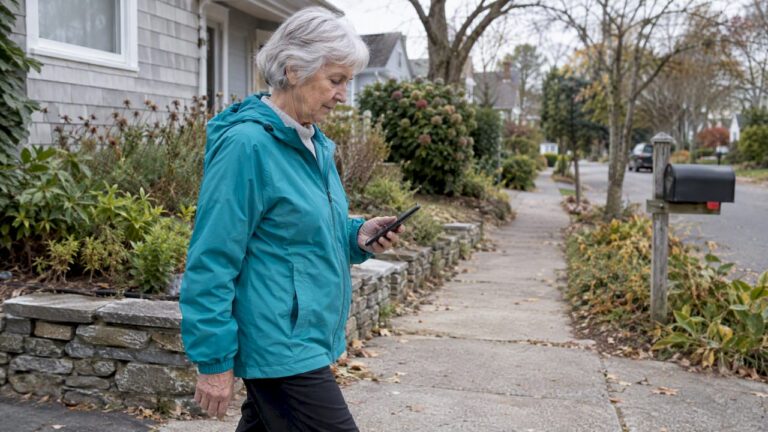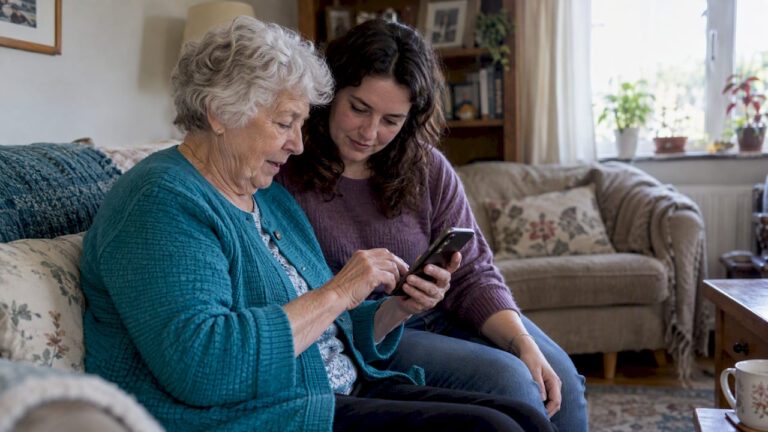
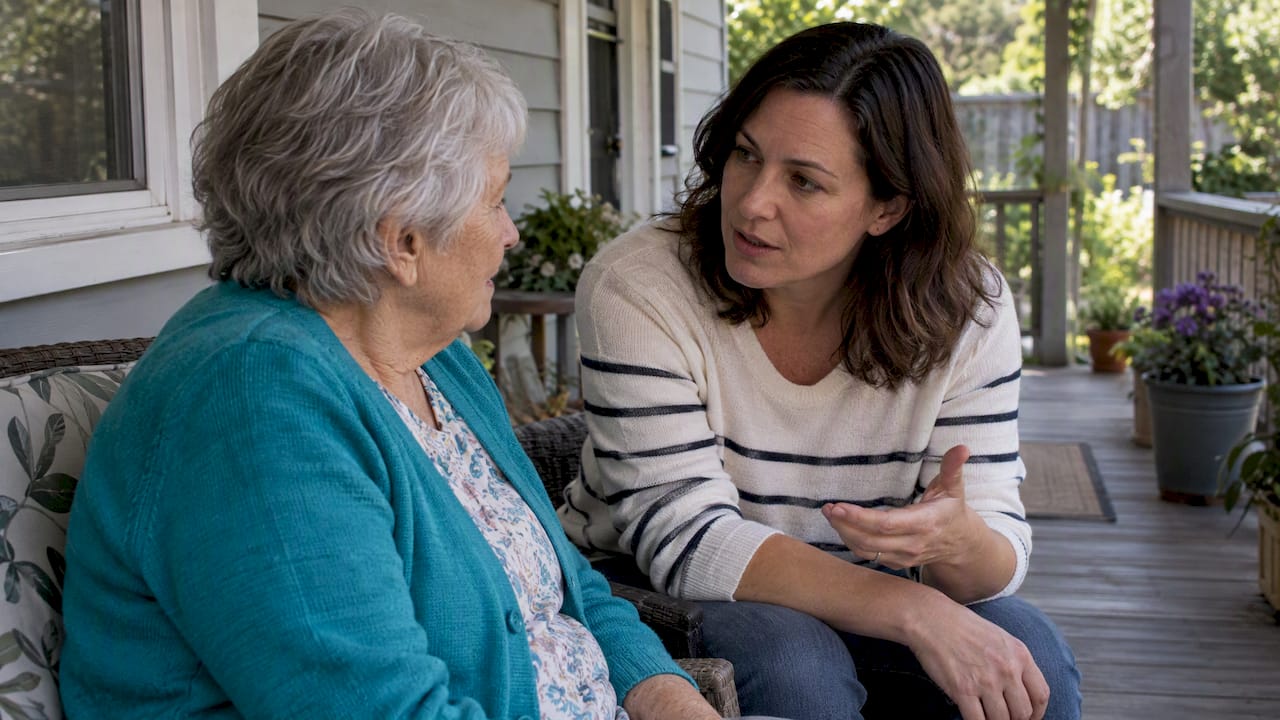
A code word is a private, pre-agreed word or phrase that signals danger or confirms who you are talking to. The one rule that matters most: if someone calls claiming an emergency, ask for the code word first. If they cannot give it, hang up and call back on the number you have saved.
TL;DR:
- Choose separate, unusual words for each trusted circle, avoid details visible online, and share each word privately with immediate family and backup contacts.
- Monthly role play keeps the response familiar, while a phone tree identifies a second trusted contact if the first callback fails.
- Urgent payment, gift card, or wire transfer demands, secrecy pressure, and refusal to let you verify are warning signs of a scam.
- Change a word immediately if it may have been exposed, notify every participant privately, and treat requests using the retired word as suspicious.
- If a callback still cannot confirm the person’s safety, contact another trusted person or local emergency services rather than relying on the caller’s number.
Table of Contents
- Which emergency code words can you start using today?
- How do you choose a code word that holds up under stress?
- How do you set up and practice a family code word protocol?
- What should you do when a call or message feels like a scam?
- How do you teach children and older adults to use a code word?
- How do venue codes like Ask for Angela work?
- When should you change or retire a code word?
- What are emergency signals beyond spoken code words?
- How can you build code words into your daily routines and emergency plans?
- A quick nudge to pick and practice one tonight
- How can Well-Check support your code-word plan?
- FAQ
- Sources
Which emergency code words can you start using today?
You do not need to invent something clever. You need something odd enough that nobody could guess it and simple enough that a frightened person can say it. Two unrelated words, a private joke or a nonsense pairing all work well. Here are ready-to-use ideas by audience:
- Families: “purple stapler” or “tuna lighthouse.” Sample text: “Mom, I need help. Purple stapler.”
- Kids: a silly single word like “pickle” or “waffle.” Sample line: “Dad, I want to go home. Waffle.”
- Seniors: a two-word pair tied to a private memory only close family knows. Sample line to a caller: “What’s our word?”
- Close friends: a casual phrase that sounds like small talk, such as “did you feed the cactus?” Sample text: “Can you bring the green umbrella? It’s urgent.”
- Siblings and adult children: a word that sounds natural in a text thread, like “marmalade,” so a request for help blends in.
Different groups should get different words. Your kids’ word should not be the same one your coworkers know. Pick one tonight, then share it only in person or by private call with the small circle you trust.
How do you choose a code word that holds up under stress?
A good code word survives panic, nosy strangers and a scroll through your social media. The National Cybersecurity Alliance tip sheet recommends making it unique, keeping it private, using separate words for different groups and practicing so people remember to use it. Run any candidate through this checklist:
- Unique: nobody else would pick it, and it is not a common word or phrase.
- Private: it appears nowhere online, in photos or in group chats.
- Memorable under stress: short, a little funny, easy to say out loud.
- Disconnected from public facts: nothing a stranger could find on your profile.
Two unrelated words, like “velvet tractor,” are strong because no one can guess them from your life. Pet names, birthdays, street names and favorite sports teams are weak. Anyone who has scrolled your feed can guess them.
Keep the circle small: immediate family, one or two close friends, and a caregiver if you have one. Tell each person privately. Never post the word, even as a joke.
Pro Tip: If you can imagine the word in a caption under one of your public photos, throw it out and pick again.
How do you set up and practice a family code word protocol?
A code word only works if using it is a habit. When someone is scared or rushed, people fall back on what they have rehearsed. Agree on one simple protocol and say it out loud together:
- Ask for the word. The caller or sender must provide it first. Never offer it yourself.
- Hang up if they cannot. Do not argue and do not explain.
- Call back on a saved number. Use the contact already in your phone, never a number the caller gives you.
- Check with another trusted person. If you still cannot reach them, call someone else in the circle to confirm.
Make rehearsal light. Role-play once a month over dinner: one person plays an urgent caller, another practices asking for the word. Set a calendar reminder so the drill does not slip. Run a safe test call with an agreed script so everyone knows what a real one feels like.
Pair the word with a simple emergency phone tree: a short list of who calls whom, with a second device or second person as a backup. If you want to save contacts properly, our guide on setting up emergency contacts on iPhone walks through it.
What should you do when a call or message feels like a scam?
Scammers work by creating urgency so you act before you think. A code word breaks that momentum. Even a pause gives you room to notice what does not add up. Follow this order every time:
- Pause. Take one breath before you answer or reply.
- Ask for the code word before you share anything or send anything.
- If they cannot say it, hang up or stop replying.
- Call the person back on the number saved in your phone.
- If you still cannot confirm, contact another person in your circle or local emergency services.
Watch for these red flags: demands for urgent payment, requests for gift cards or wire transfers, pressure to keep the call secret, and any refusal to let you hang up and verify. Real family members will understand when you check.
The most common failure in family code word systems is blurting the word out in a panic. The rule is simple: the caller must provide the word first, and an inability to do so should be treated as a confirmed scam attempt, as this overview of Ask for Angela and related code systems notes.
A code word turns “I think something is off” into a clear, repeatable action you can take in seconds.
How do you teach children and older adults to use a code word?
The best teaching is calm, specific and repeated. Explain what the word means in plain language, then rehearse it until it feels ordinary.
- Young children: explain that the word is a “secret help button.” Tell them they can use it anytime they feel unsure or unsafe, and that they will never be in trouble for using it.
- Older kids and teens: role-play a pickup scenario where they text the word to get picked up without explanation or embarrassment.
- Seniors: focus on one rule, hang up and call back. Keep saved numbers for family at the top of the contact list, and consider a printed reminder card kept somewhere private, like a bedside drawer.
- Everyone: test memory gently. Ask “what’s our word?” at an easy moment, not as a quiz.
For families with relatives far away, a short video call to introduce the word works. Our family meeting plan for long-distance caregiving makes a good template. The family guide to respectful support for seniors offers broader context on caring for older relatives with dignity.
Pro Tip: Attach the word to a memory aid only your family would understand, like a shared story, so it comes back when nerves hit.
How do venue codes like Ask for Angela work?
Some places have built a code into their staff training so that you can ask for help without making a scene. “Ask for Angela” is the best-known version. As the City of Doncaster Council explains, a guest who feels unsafe can ask for Angela, and staff quietly step in by escorting them, arranging a discreet exit or involving security.
- What staff typically do: move you somewhere private, call a taxi, keep watch and contact security or police if needed.
- What works best: programs that pair real staff training with immediate private action, not just a poster, as the Night Time Industries Association describes.
- Trained staff elsewhere: hospitality teams, hotels and workplaces use their own phrases or procedural codes, though availability varies by venue.
- What to say: walk to the bar or front desk and quietly ask, “Is Angela working tonight?” Then follow the staff member’s lead.
If a venue does not seem to recognize the phrase, say plainly that you need help and ask for a manager.
When should you change or retire a code word?
You do not need a rotation schedule. Change the word when something suggests it is no longer private, not on a calendar.
- Change immediately if you suspect the word has been compromised, it was posted or typed somewhere public, or it was shared with someone outside the circle.
- Update securely: tell each person in person or by a private call or an encrypted messaging app, never in a group chat that includes outsiders.
- Tell everyone at once, including backup contacts, so nobody is left using the old word.
- Retire the old word completely and treat any request that uses it as suspicious.
Choosing a new word takes little effort. Staying with a leaked one can cost far more, so there is no shame in switching.
What are emergency signals beyond spoken code words?
Words are not the only way to ask for help quietly. Gestures, signals and standard phrases can do the job when speaking is risky or impossible.
- Radio procedure words: MAYDAY is used for imminent, life-threatening danger, and PAN-PAN is for urgent situations that are not immediately life-threatening, as laid out in this reference on procedure words. Break-Break signals an urgent interrupt, and Securite is a marine safety alert.
- Hand signals: a hand held up with the thumb tucked in and fingers folded over is a widely shared signal for help on video calls.
- Text or emoji signals: a single agreed emoji or a deliberately misspelled word can mean “call me now” without raising suspicion.
- Phone call decoys: a phrase like “can you pick up the dry cleaning?” can mean “I’m in trouble, come get me.”
- Object signals: a porch light on or off, a plant in a particular window or a specific outfit can tell a neighbor to check in.
Agree on only a few and practice them. Too many signals defeat the purpose, because people forget which is which. Keep the system short enough that a child, a teen and an older relative can all repeat it back. A tool like Thehotline is also useful to know about if someone you care about needs discreet support in a harmful situation.
How can you build code words into your daily routines and emergency plans?
A code word only protects you if it lives somewhere in your regular life, not in a single conversation you had once. Start by writing a one-page emergency plan: who is in the circle, what the word is, what the callback steps are and who to contact if you cannot reach anyone. Keep a private copy somewhere safe, but never store the word itself in an obvious place like a shared notes app.
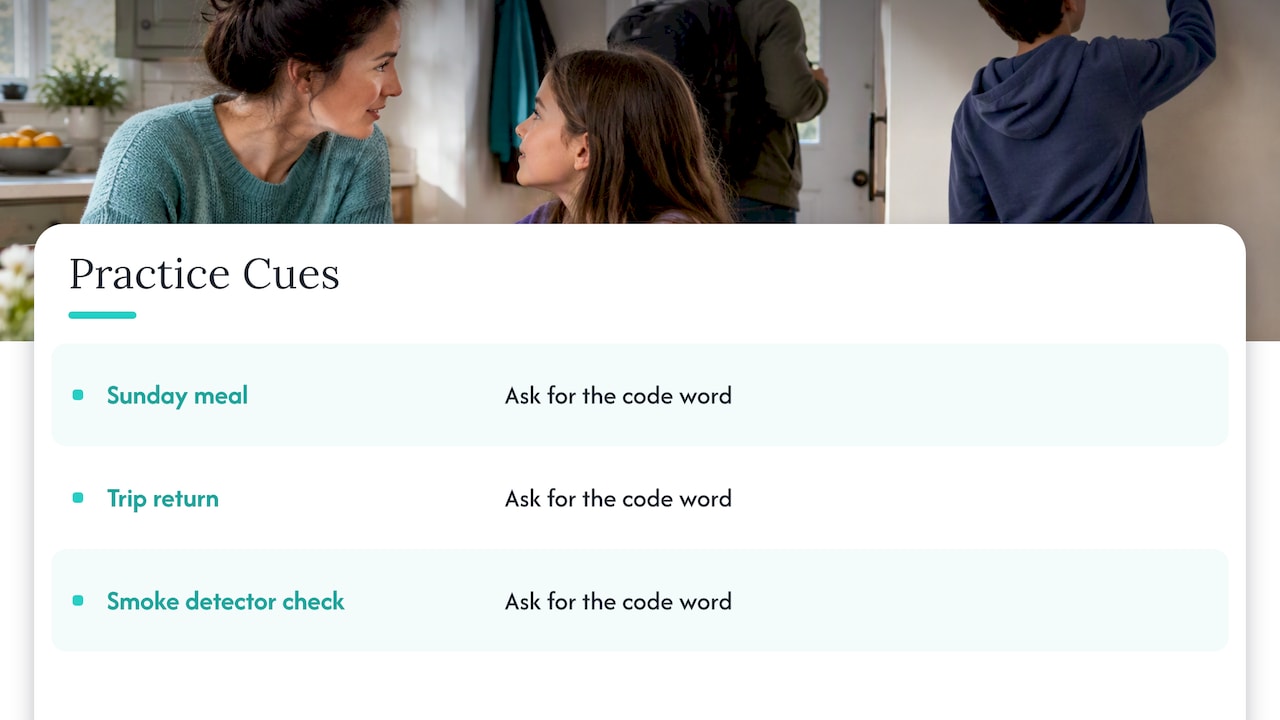
Tie practice to existing habits. Run a quick drill when the family sits down for a Sunday meal, when someone returns from a trip or when you check smoke detectors. Add a line to your phone tree that says “ask for the word” so it is the first step, not an afterthought. Our welfare check guide explains what to tell dispatch if a family cannot verify a call and needs to escalate.
For caregivers, small steps help: save the callback numbers of every family member under clear names, enable emergency info on phones with our Medical ID on iPhone guide, and review the plan every few months. If a relative lives alone, the senior safety plan guide offers a starting point that fits easily alongside a code word.
A quick nudge to pick and practice one tonight
I keep coming back to how little this takes. One odd word, shared with two or three people, rehearsed once. That is the whole habit, and it works because it is boring and automatic. Practices like this spread: when a family, a friend group and a neighborhood all expect a quick verification, scammers lose their best weapon, which is speed. Do it tonight, then tell one person to do the same.
— Brian
How can Well-Check support your code-word plan?
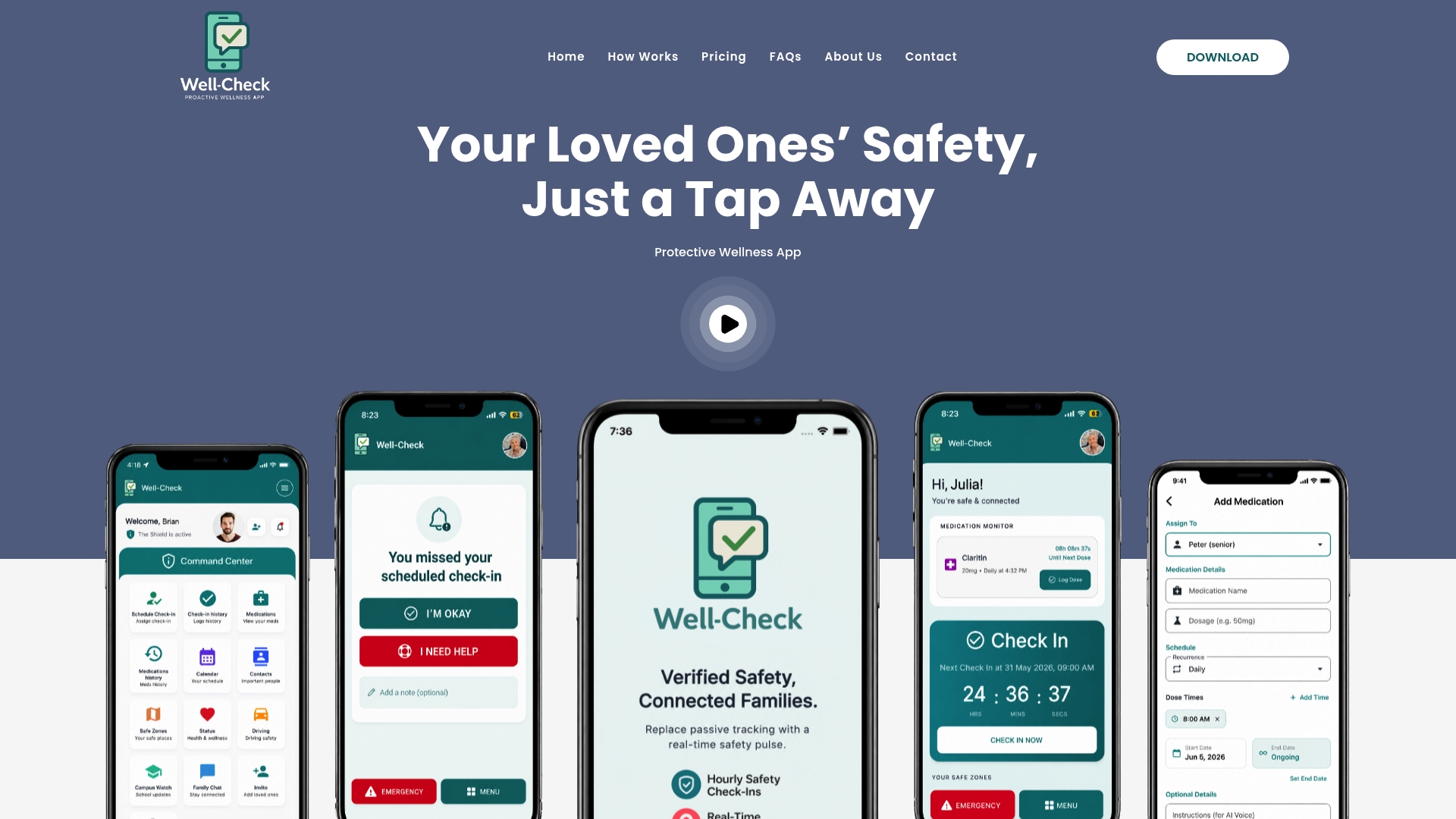
A code word protects you in the moment of a suspicious call. Our app adds a steady layer around it: one-tap daily check-ins, an emergency contact network and alerts to family when a check-in is missed. Together, they mean fewer surprises and faster follow-up.
- Daily “I’m okay” confirmations from the person living alone
- Family alerts if a check-in is missed
- A shared emergency contact network ready to call
See how it fits your plan on our pricing page, where Essential is $5.99 per month and Complete is $7.99 per month.
FAQ
What are good secret code words?
A good code word is unusual, private and easy to say under stress. Two unrelated words, like “velvet tractor,” or a private joke work better than names or birthdays. Choose one that cannot be guessed from your social media.
What are the 10 codes used in EMS?
Ten-codes vary by agency and region, so there is no single universal list. Many services now use plain language instead. If you need help, state clearly what is happening and where you are, and let dispatch guide you.
What are some famous code phrases?
“Ask for Angela” is a well-known venue phrase that signals staff to quietly help a guest, as described by the City of Doncaster Council. In radio communication, MAYDAY signals life-threatening danger and PAN-PAN signals an urgent but not immediately life-threatening situation.
Should the caller or the receiver say the code word first?
The caller should always say it first. If you offer the word yourself, you may hand it to a scammer. If the caller cannot give it, hang up and call back on a saved number.
Sources
- En
- Why Your Family and Coworkers Need a Safe Word in the Age of AI
- Ask for Angela / Safe Haven / Taxi Marshals – City of Doncaster Council
- Procedure Words – South Carolina Amateur Radio Emergency Services