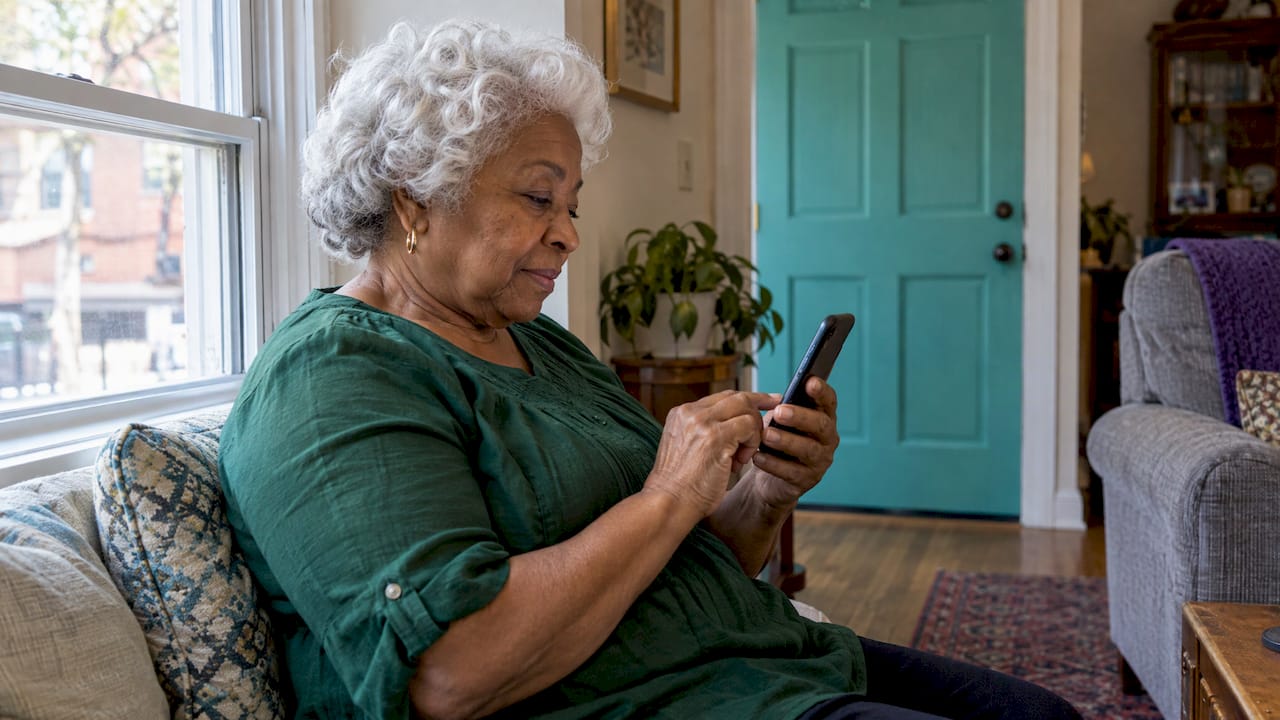
As our parents get older, it’s natural to worry about their safety and well-being, especially when they live alone or hundreds of miles away. You want to know they’re okay, taking their medications, and going about their day safely. But calling several times a day isn’t always practical, and sometimes those constant check-ins can make parents feel like they’re losing their independence.
The good news is that there are easier, less intrusive ways to check on elderly parents without picking up the phone every few hours.
From scheduled wellness check-ins to automatic safety notifications, today’s technology makes it possible to stay connected while giving aging parents the freedom and privacy they deserve.
Here are some practical ways to make sure your loved ones are safe, even when you can’t be there in person.
Why Checking on Elderly Parents Every Day Matters
For many families, the concern isn’t necessarily that something will go wrong. It’s the uncertainty of not knowing whether everything is okay.
An elderly parent might live independently, manage multiple medications, or deal with medical conditions that require additional attention. Even simple everyday activities can become a source of concern for adult children who live far away.
Some of the most common worries include:
- Falls or Accidents: What happens if a parent falls and can’t reach their phone?
- Missed Medications: Are they remembering to take important prescriptions?
- Medical Concerns: Would someone know if their health suddenly changed?
- Living Alone: How long could something go unnoticed if they needed assistance?
- Communication Gaps: What if they don’t answer the phone or respond to a text?
These concerns can create ongoing stress for families, particularly when regular visits aren’t possible.
Fortunately, you don’t need to constantly call your parents to stay informed about their well-being.
5 Ways to Check on Elderly Parents Without Constant Phone Calls
1. Use a Daily Wellness Check-In App
One of the simplest ways to check on elderly parents is through a scheduled daily wellness check-in.
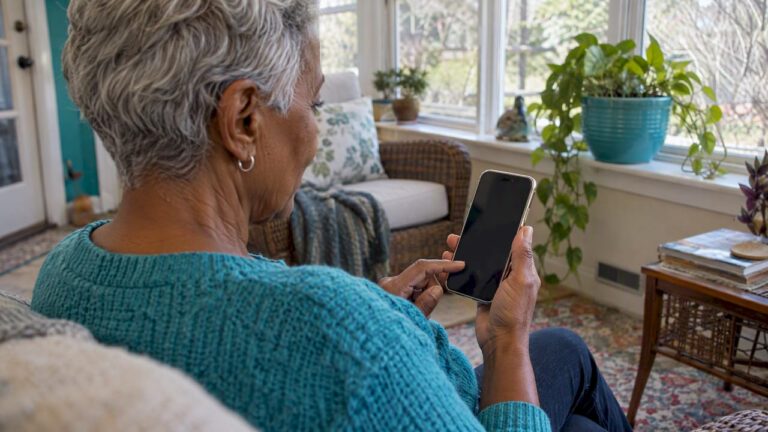
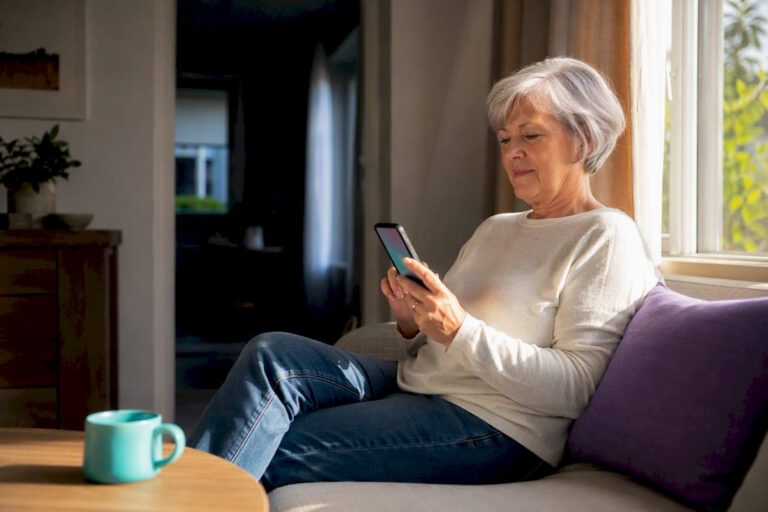
Instead of relying on repeated phone calls, a wellness app allows your parent to confirm they’re okay with a quick tap on their smartphone.
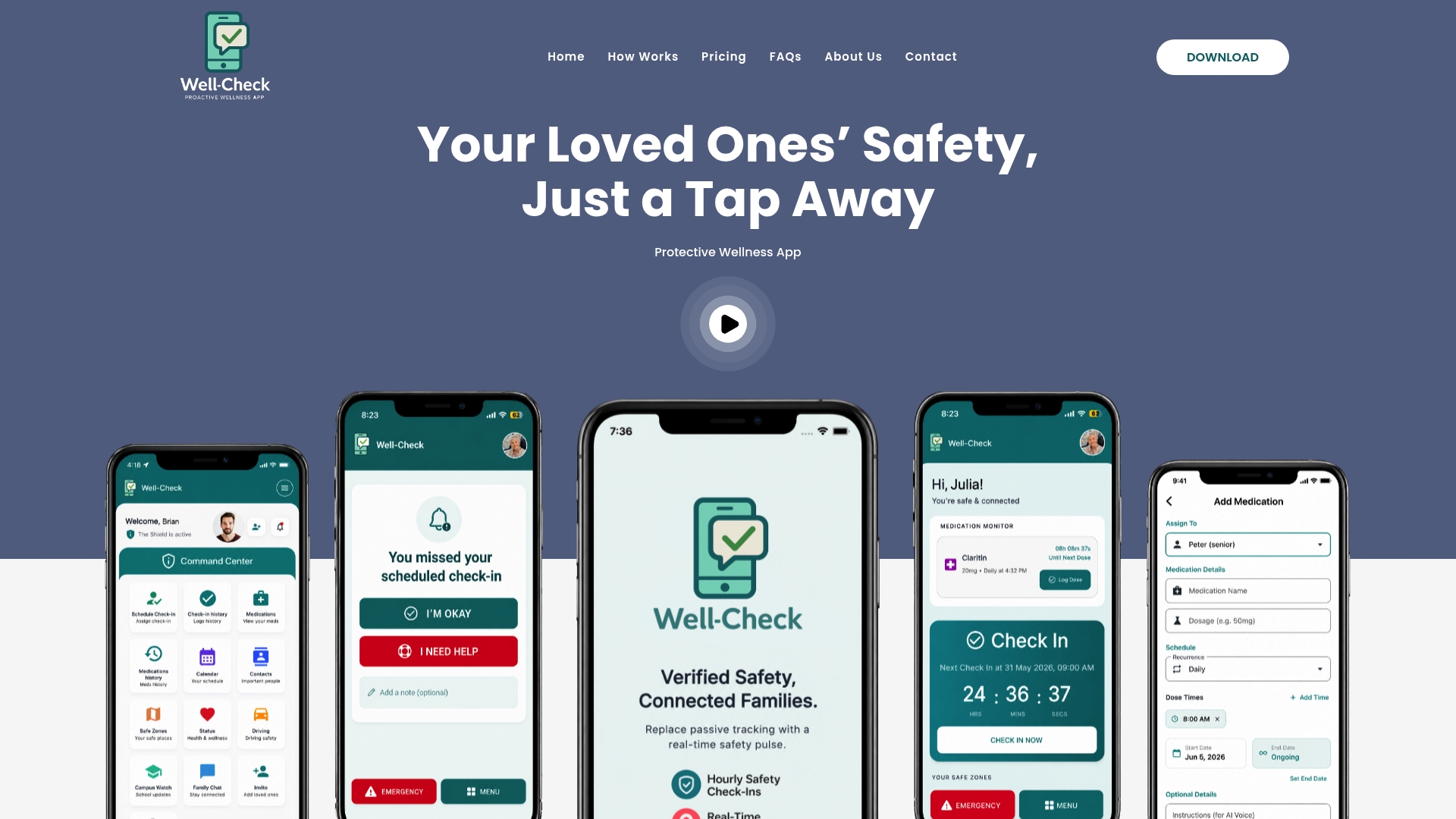
For example, Well-Check allows families to establish personalized check-in schedules that fit their loved one’s daily routine.
Here’s how it works:
- Set a Check-In Schedule: Choose when your parent should complete a wellness check-in.
- Receive a Simple Reminder: Your parent is prompted to confirm they’re okay.
- Confirm Their Well-Being: They complete the check-in directly from their smartphone.
- Get Notified When Needed: If a scheduled check-in is missed, designated family members receive an automatic alert.
- Follow Up Quickly: Family members can contact their loved one to make sure everything is okay.
This simple process gives families reassurance without the need for constant communication.
Why it helps: Your parent maintains control of their day, while you have a reliable way to know when an expected check-in hasn’t happened.
2. Set Up Medication Reminders and Tracking
Remembering to take medications on time can become challenging, particularly for older adults managing multiple prescriptions.
For adult children who live far away, wondering whether a parent remembered an important medication can be an additional source of stress.
Medication reminder apps can help by providing scheduled notifications and maintaining a record of doses that have been marked as taken.
Well-Check incorporates medication reminders and tracking alongside its wellness check-in features, allowing families to support daily routines through one convenient platform.
Rather than calling every morning or evening to ask whether medications were taken, families can encourage a consistent reminder routine.
Why it helps: Medication reminders support independence while reducing the need for repetitive calls. However, a recorded dose confirmation should not be treated as proof that medication was actually taken.
3. Use GPS Location Awareness for Added Reassurance
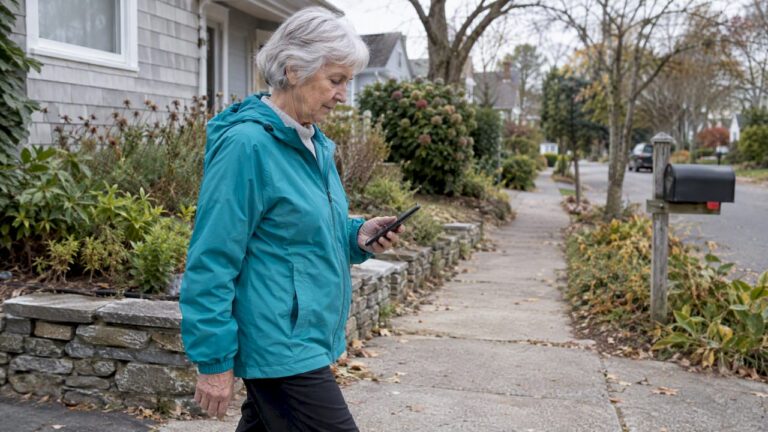
Many elderly parents continue to drive, shop, exercise, and enjoy an active lifestyle well into their later years.
While independence is important, family members may still worry when their loved ones are traveling or away from home.
GPS location-sharing technology can provide an additional layer of reassurance when used with a parent’s knowledge and consent.
For example, location awareness can be helpful when:
- An elderly parent drives to appointments or errands.
- A loved one travels outside their usual routine.
- A parent becomes confused about their surroundings.
- Family members need to locate someone who has requested assistance.
Well-Check includes location awareness and safe-zone features designed to help families stay connected.
Why it helps: Location sharing can help reduce uncertainty about someone’s whereabouts without requiring frequent phone calls. It should always be configured with appropriate permissions and respect for personal privacy.
4. Consider Apple Watch Heart Rate Monitoring
Wearable technology has introduced additional ways for families to stay informed about certain wellness indicators.
For older adults who own a compatible Apple Watch, heart rate information can provide useful context about their general wellness.
Well-Check integrates Apple Watch heart rate monitoring into its family wellness features, allowing designated contacts to receive supported heart rate-related information and alerts.
This can be particularly valuable for families who want additional wellness awareness alongside daily check-ins.
However, it’s important to understand that smartwatch heart rate monitoring is not a substitute for professional medical monitoring or emergency care.
Why it helps: Wearable health information can complement daily wellness check-ins and encourage timely conversations when something appears unusual.
5. Create a Trusted Family Support Network
Checking on elderly parents shouldn’t always fall on one person’s shoulders.
When several family members are involved, sharing responsibility can make caregiving easier and reduce stress.
Consider creating a small support network that includes adult children, siblings, close relatives, or trusted caregivers.
Through Well-Check’s Family Shield network, designated contacts can stay informed about important wellness updates and missed check-ins.
For example, imagine your mother lives alone while you and your siblings live in different states.
Rather than everyone calling throughout the day, your mother can complete her scheduled wellness check-ins. If she misses one, designated contacts can be notified and determine who should follow up.
Why it helps: A coordinated support network helps families respond more efficiently while allowing elderly parents to continue living independently.
How Often Should You Check on Elderly Parents Living Alone?
There isn’t a single schedule that works for every family.
Some older adults are active, healthy, and completely independent. Others may benefit from more frequent check-ins because of medical conditions, mobility limitations, or other safety concerns.
A reasonable starting point is to establish a wellness routine based on your parent’s individual needs.
For instance:
- Independent, Active Parents: One scheduled wellness check-in per day may provide sufficient reassurance.
- Parents Managing Medical Conditions: Morning and evening check-ins may offer additional peace of mind.
- Parents Living Alone with Increased Safety Concerns: Multiple scheduled check-ins and a coordinated family support network may be beneficial.
The goal isn’t to monitor every activity. It’s to establish a comfortable routine that helps families recognize when something may need attention.
For parents with significant medical or cognitive needs, speak with their healthcare team about an appropriate supervision and safety plan.
How to Monitor Elderly Parents Without Making Them Feel Watched
One of the most important parts of caring for aging parents is respecting their independence.
Nobody wants to feel like they’re being monitored around the clock, especially when they’ve spent their entire lives taking care of themselves and others.
That’s why it’s important to approach the conversation thoughtfully.
Instead of saying, “I need to keep track of you,” consider explaining that you want a simple way to know they’re safe without interrupting their day.
A daily wellness check-in can be a good compromise.
Your parent decides when to respond, and you receive reassurance through a simple, predictable routine.
This approach helps preserve independence while making it easier to stay connected.
Why Well-Check Makes Staying Connected Easier
Most adult children don’t want to constantly monitor their parents. They simply want to know that someone they love is okay.
That concern is exactly what inspired Well-Check, a proactive wellness and family safety app created to make daily communication easier and more meaningful.
Well-Check founder Brian Miller developed the idea after his mother was diagnosed with stage 4 metastatic ovarian cancer.
Living approximately two hours away, he experienced firsthand the uncertainty that comes with worrying about a loved one’s health when you can’t physically be there.
A missed phone call or unanswered text could quickly become a source of concern.
He wanted to create something that would make it easier for families to stay informed without relying entirely on constant calls or messages.
Well-Check was built around that idea.
With scheduled wellness check-ins, missed check-in alerts, medication reminders, location awareness, and Apple Watch heart rate monitoring, the app brings several important family safety features together in one place.
For adult children caring for aging parents, that means fewer unanswered questions and a more reliable way to stay connected.
For older adults, it means maintaining independence while knowing their loved ones are looking out for them.
Frequently Asked Questions
How can I check on elderly parents without calling them every day?
A daily wellness check-in app such as Well-Check allows elderly parents to confirm they’re okay through scheduled smartphone check-ins. If a check-in is missed, designated family members receive a notification so they can follow up.
What is the best way to monitor an elderly parent who lives alone?
A combination of scheduled wellness check-ins, medication reminders, trusted family contacts, and appropriate safety planning can provide reassurance. The right approach depends on the parent’s health, independence, and individual needs.
Can I check on my elderly parents if I live in another state?
Yes. Internet-connected wellness apps allow families to stay informed remotely. With Well-Check, designated family members can receive missed check-in alerts and other supported wellness notifications, even when they live far away.
How often should I check on my aging parents?
The frequency depends on their health, mobility, living arrangements, and personal preferences. Some parents may be comfortable with one daily check-in, while others may benefit from morning and evening confirmations or additional support.
What happens if my elderly parent misses a scheduled check-in?
With Well-Check, designated contacts receive an automatic missed check-in notification. This alerts family members that it’s time to reach out and confirm their loved one’s well-being. A missed check-in does not necessarily mean there is an emergency.
Is there an app that helps families check on aging parents?
Yes. Well-Check is designed specifically to help families stay connected through daily wellness check-ins, medication reminders, location awareness, and safety alerts.
Peace of Mind Without Constant Phone Calls
Caring for elderly parents doesn’t mean you need to spend every day worrying or constantly checking your phone.
And staying connected shouldn’t require your parents to give up their independence.
With the right tools, families can establish simple wellness routines that make communication easier, reduce uncertainty, and ensure that missed check-ins don’t go unnoticed.
Well-Check makes it easier to care for the people who matter most, no matter how far apart you live.
Because knowing they’re okay matters.
Discover how Well-Check can help your family stay connected.
Visit www.well-check.com to learn more and download the app from the Apple App Store or Google Play.

[…] Anxiety Relief From Check-Ins: A Calmer Routine for Families […]