A safety plan for seniors is a written, practiced plan that pairs fall-prevention fixes at home with an emergency kit, a support network, and a clear response for abuse or neglect risk. Three moves matter most right now: clear trip hazards and add better lighting tonight, pack a small emergency bag with medications and key documents, and set up a daily check-in or emergency contact so someone always knows if you’re okay. Everything below breaks each piece into a checklist you can act on today, plus templates for the harder conversations.
TL;DR:
- Most fall hazards for seniors, such as poor lighting and loose rugs, are inexpensive to fix and should be addressed immediately to prevent accidents.
- Building a personalized emergency kit requires considering specific medical needs, including medications, medical devices, and backup power plans, for at least three to seven days.
- A safety plan for elder abuse should include practical steps like prepared escape routes, hidden bags with essentials, and clear communication signals to respond quickly to danger.
- Support networks must be clearly assigned, practiced regularly, and stored in multiple locations to ensure effective emergency response and ongoing safety.
- Technology like daily check-in apps can supplement physical safety measures by providing real-time assurance and rapid notification to caregivers if a senior misses a check-in.
Table of Contents
- Home Safety and Fall-Prevention Checklist (Room by Room)
- Building an Emergency Kit and Plan for Medical Needs
- Elder-Abuse Safety Planning: A Practical Template
- Build, Assign, and Practice Your Support Network
- Home Modifications and Assistive Devices That Make Safety Plans Work
- Transportation Safety Considerations for Seniors
- Mental Health and Cognitive Decline Considerations in Safety Planning
- A Caregiver’s 7-Day Action Plan
- How Well-Check Fits Into a Senior Safety Plan
- Authoritative Resources and Checklists to Download
- Sources
- FAQ
Home Safety and Fall-Prevention Checklist (Room by Room)
Falls are the single biggest threat to independence for older adults, and most fall hazards hide in plain sight: a rug edge, a dim hallway, a step without a rail. Walking through a home room by room, with fresh eyes, catches what daily familiarity misses.
Start with light. Poor lighting on stairs and in hallways is one of the most common hazards an occupational therapist finds during a home safety assessment, and it’s also one of the cheapest to fix.
- Add night-lights or motion-sensor lights in hallways, bathrooms, and stairwells.
- Remove loose rugs, runners, and floor clutter; tape down or replace frayed cords.
- Fix uneven flooring or thresholds between rooms, especially at doorways.
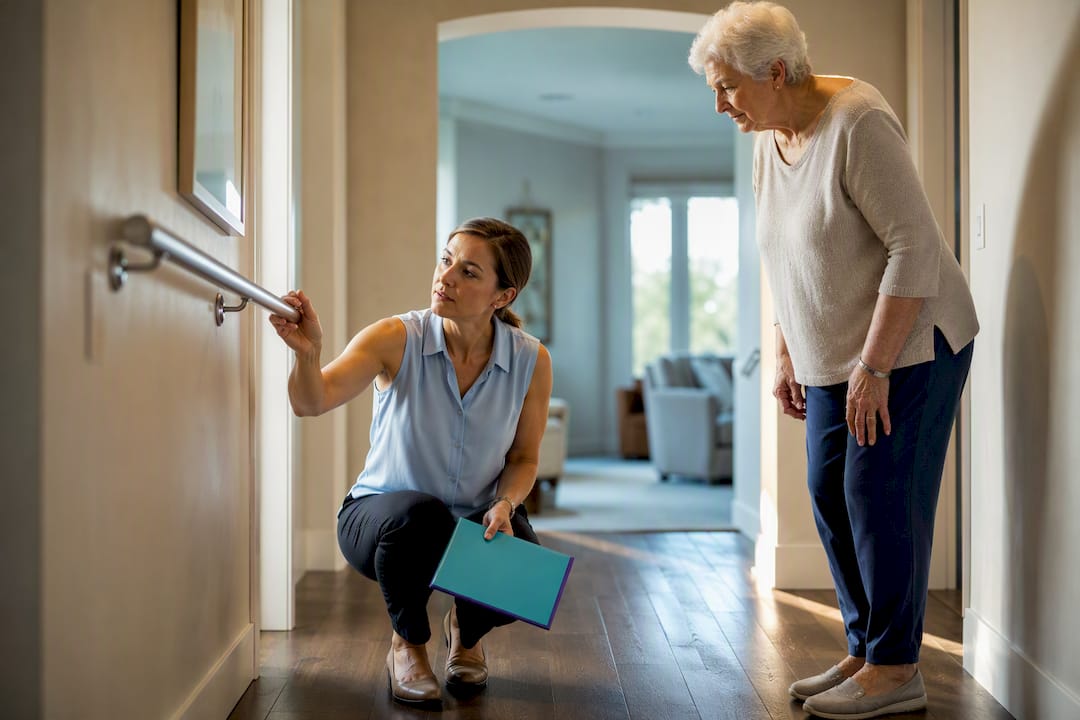
- Install grab bars near the toilet and inside the shower or tub, not just towel bars that can’t bear weight.
- Add handrails on both sides of any staircase, indoors and out.
- Consider a shower bench and a raised toilet seat if balance or strength has declined.
- Set the water heater to a safe temperature to reduce burn risk, which matters even more for anyone with reduced sensation from neuropathy.
Medication is a fall risk factor people rarely think to check. Sedatives, blood pressure medications, and some antidepressants can cause dizziness or slow reaction time, so a medication review with a doctor or pharmacist belongs on this checklist, not just the medical one.
If two or more hazards keep showing up, or a fall has already happened, it’s worth requesting a professional home safety evaluation. An occupational therapist can spot risks a family walkthrough misses and recommend fixes suited to that person’s specific mobility and vision.
Building an Emergency Kit and Plan for Medical Needs
An emergency plan for seniors starts with an honest inventory of medical and mobility needs, not a generic supply list. Does the person use oxygen, need dialysis, or keep insulin refrigerated? Do they rely on a wheelchair, walker, or hearing aids? Every answer changes what the kit and the plan need to include.
FEMA and Ready.gov’s guidance for older adults centers on three pillars: assess health needs first, put the plan in writing, and build a support network trained to help. Skipping the network step is the most common mistake, because a plan only on paper doesn’t help if nobody nearby knows it exists.
For the kit itself:
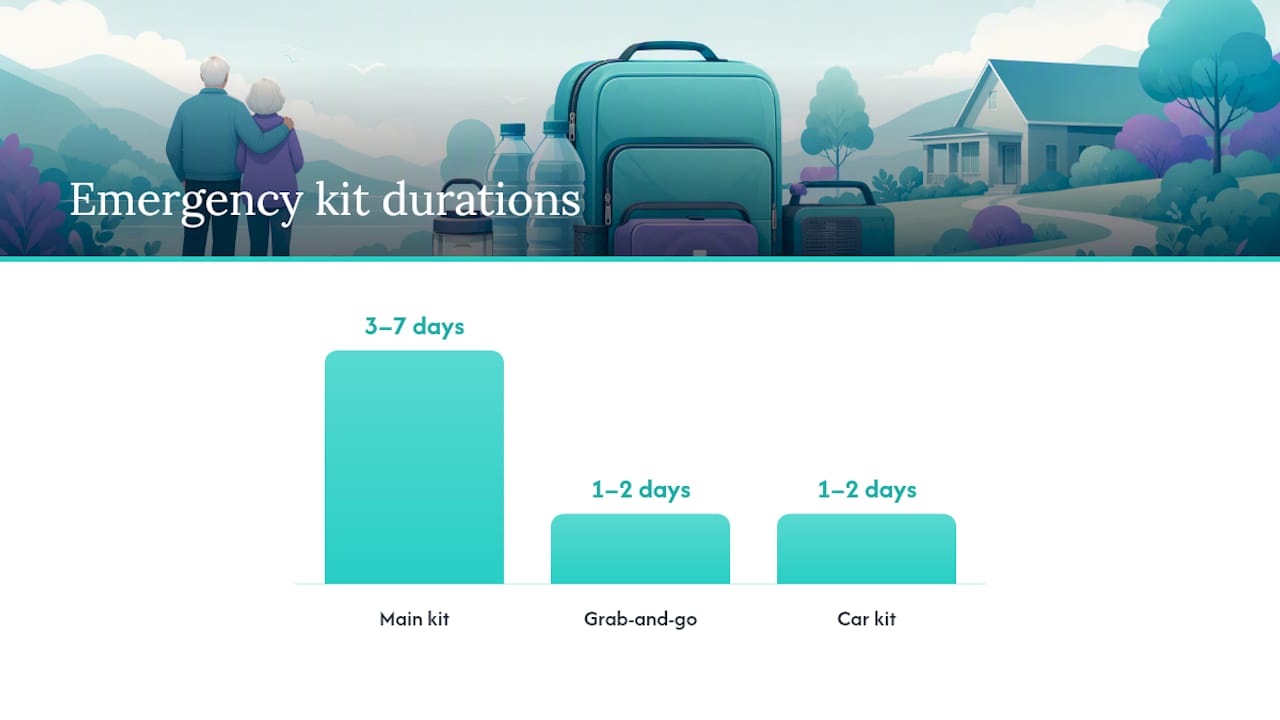
- Stock three to seven days of medications, water, and nonperishable food, following National Institute on Aging emergency guidance for older adults with ongoing health needs.
- Pack a smaller grab-and-go version with one to two days of essentials for fast evacuation.
- Include a medical information sheet listing medications and dosages, allergies, providers, and any durable medical equipment, along with a backup power plan for devices that need electricity.
- Store copies of insurance cards, ID, and physician contacts in a waterproof bag.
Pro Tip: Duplicate the grab-and-go bag. Leave one copy with a trusted neighbor and keep a smaller version in the car, so a forgotten bag at home doesn’t derail the whole plan.
A kit built for three to seven days of self-sufficiency, per the National Institute on Aging, covers most short-term outages or evacuation delays without assuming rescue will arrive fast.
Elder-Abuse Safety Planning: A Practical Template
Safety planning for abuse or neglect works differently from fall prevention. It’s not about fixing a room. It’s about preparing to leave quickly and safely if the situation demands it, while accepting that no plan removes all risk.
Elder-abuse safety planning emphasizes practical, immediate tactics over long legal processes, because in a crisis there isn’t time for either.
- Map an escape route out of the home and identify where to go, whether that’s a neighbor, a relative, or a public place.
- Keep a packed bag with cash, ID, medications, and a phone charger hidden somewhere accessible but not obvious.
- Set a code word to text or say on the phone that signals “call for help” without alerting anyone nearby.
- Tell a trusted neighbor, building security, or a close friend to check in if that code word ever comes through.
- Keep copies of any protection order with the police, a landlord, or a trusted contact, so it’s on file before it’s needed.
- Save the number for a local elder-abuse hotline or adult protective services in a place that’s easy to find under stress.
None of this guarantees safety. What it does is shrink the time between recognizing danger and acting on it, which is usually where the real risk lives.
Build, Assign, and Practice Your Support Network
A safety plan only works if real people know their part in it. That means naming names, not just listing tasks.
Recommended roles to fill: someone with a spare house key, a backup for pet care, a driver on standby, a primary medical contact who can speak to providers, and one out-of-town contact who can coordinate if local helpers are overwhelmed. Rehearsing the plan, not just writing it, is what actually makes it hold up under stress, especially when mobility limits or equipment like an oxygen tank change how an evacuation has to go.
- Share a written copy of the plan with every person on the list, not just a verbal summary.
- Walk through the plan together twice a year, or after any major health change.
- Store copies of the plan and key documents in two locations: one at home, one with an outside contact.
Pro Tip: Keep a sealed printed medical-info packet in a known spot, like a labeled envelope on the fridge, so any helper or first responder can find it in seconds.
Home Modifications and Assistive Devices That Make Safety Plans Work
A written plan is only as good as the physical environment backing it up. Some fixes cost almost nothing; others are worth the investment once a real mobility change shows up.
Low-cost first moves: grab bars, nonslip strips in the tub, and motion-sensor lighting in high-traffic areas. These prevent the falls that a plan is meant to respond to, not just react to.
- Add ramps at entryways or a stair lift if stairs have become a daily struggle rather than an occasional one.
- Choose a cane or walker with a clinician’s input. The wrong height or grip can create a new fall risk instead of solving one.
- Keep backup batteries and chargers for hearing aids, mobility scooters, and medical alert devices in one labeled spot.
- Store medical equipment where it’s easy to grab in an emergency, not tucked in a closet nobody checks.
Small, regular updates work better than one big overhaul. A home safety review done every few months catches new hazards before they cause a fall, and each fix supports the emergency plan by keeping evacuation routes clear and equipment easy to reach.
Transportation Safety Considerations for Seniors
Getting around safely deserves its own line in the plan, separate from home fixes and emergency kits. Vision changes, slower reaction time, and certain medications can all affect driving safety gradually, which is why an annual check-in about driving ability matters more than waiting for an obvious problem.
Ask a doctor directly whether any current prescription affects alertness or reaction time behind the wheel. Some sedatives and antihistamines carry warnings that get missed until someone points them out.
If driving becomes risky or stops altogether, the plan needs a real backup, not a vague one. Options include a family member on a rotating schedule, a senior transportation service through a local Area Agency on Aging, or a rideshare account set up in advance with saved addresses for the doctor, pharmacy, and grocery store. Waiting until a crisis to figure out transportation almost always means someone skips a medical appointment they shouldn’t have.
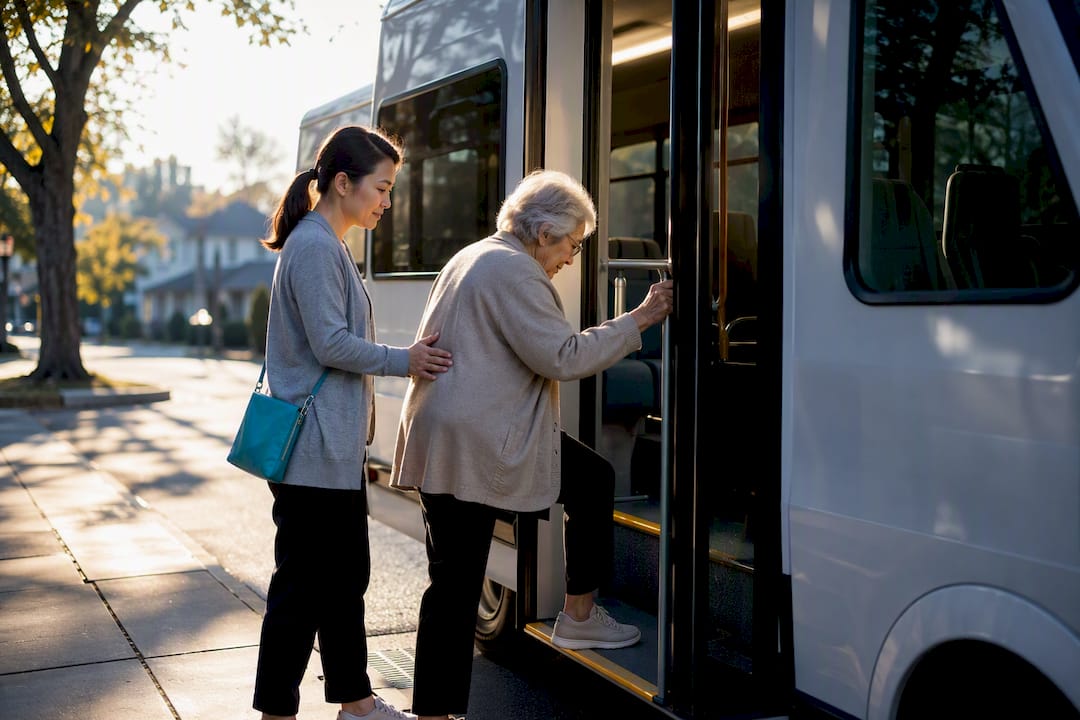
For anyone still driving, a few small changes cut risk without taking away independence: scheduling trips during daylight, avoiding highways during rush hour, and keeping the emergency info sheet and a phone charger in the car alongside the duplicate grab-and-go bag mentioned earlier. Regular checkups also help. Vision and hearing changes creep in slowly enough that the person experiencing them often doesn’t notice until someone else does.
Building transportation into the written safety plan, with names and backup names attached, closes a gap that’s easy to overlook until the day a ride falls through.
Mental Health and Cognitive Decline Considerations in Safety Planning
Cognitive changes shift what a safety plan needs to do. Memory lapses can turn a good plan into one nobody remembers to follow, so the plan itself has to account for that risk directly.
Simplify wherever possible. A written plan for someone with early memory changes works better as short, visual reminders (a laminated card by the door, a single sheet on the fridge) than as a multi-page document. Repetition helps too: reviewing the plan more often, in smaller pieces, tends to stick better than one long annual walkthrough.
Depression and anxiety are common after a health scare or a move, and they quietly undermine safety. Someone who feels isolated or low may skip medications, ignore a check-in call, or stop reaching out when something’s wrong. Building a routine daily contact, even a simple one, into the plan catches these dips early instead of after a crisis.
For dementia specifically, safety planning needs extra layers: door alarms to catch wandering, ID bracelets with contact information, and a plan for what happens if the person becomes disoriented outside the home. Families weighing a move to residential memory care may find it useful to look at what dementia-friendly amenities and care features actually look like before deciding whether staying home is still the safest option.
Whatever the cognitive status, the plan should name one person responsible for noticing changes over time. Gradual decline is easy to miss day to day and obvious only in hindsight.
A Caregiver’s 7-Day Action Plan
Most caregivers don’t need more information. They need a place to start this week. Here’s a version that spreads the work into pieces small enough to actually finish.
Day 1: Walk the home room by room and list hazards. Day 2: Pack the grab-and-go bag with meds and documents. Day 3: Call the primary care provider to review medications for fall risk. Day 4: Write the plan and share it with two support-network contacts. Day 5: Test a medical alert or check-in device together. Day 6: Update the medication list and store a copy in the kit. Day 7: Walk through the full plan out loud, including the escape route.
Small, consistent steps beat one overwhelming overhaul. That’s true of home safety fixes and it’s true of building the habit that keeps a plan alive past week one.
— Brian
How Well-Check Fits Into a Senior Safety Plan
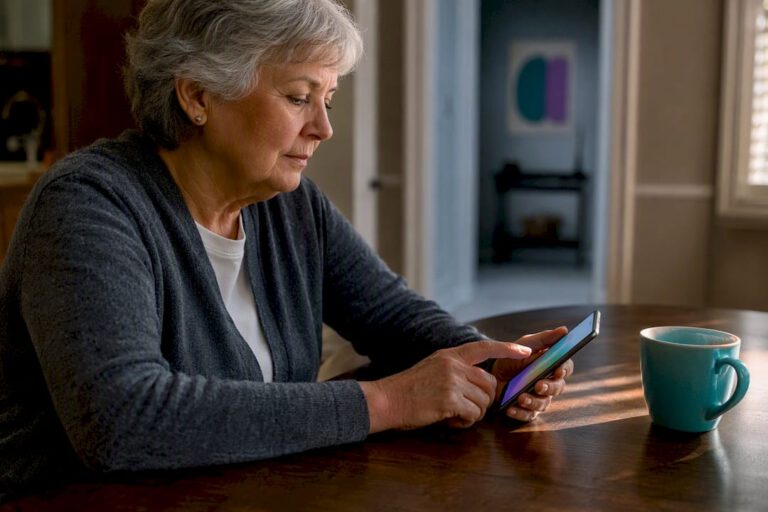
A written plan and a safer home cover the physical risks. The daily gap, the one that catches families off guard, is knowing whether everything is actually okay today. A wellness app can close that gap with a simple daily check-in: the senior taps “I’m okay” or one-tap help, and if a check-in gets missed, alerts go straight to family or caregivers automatically.
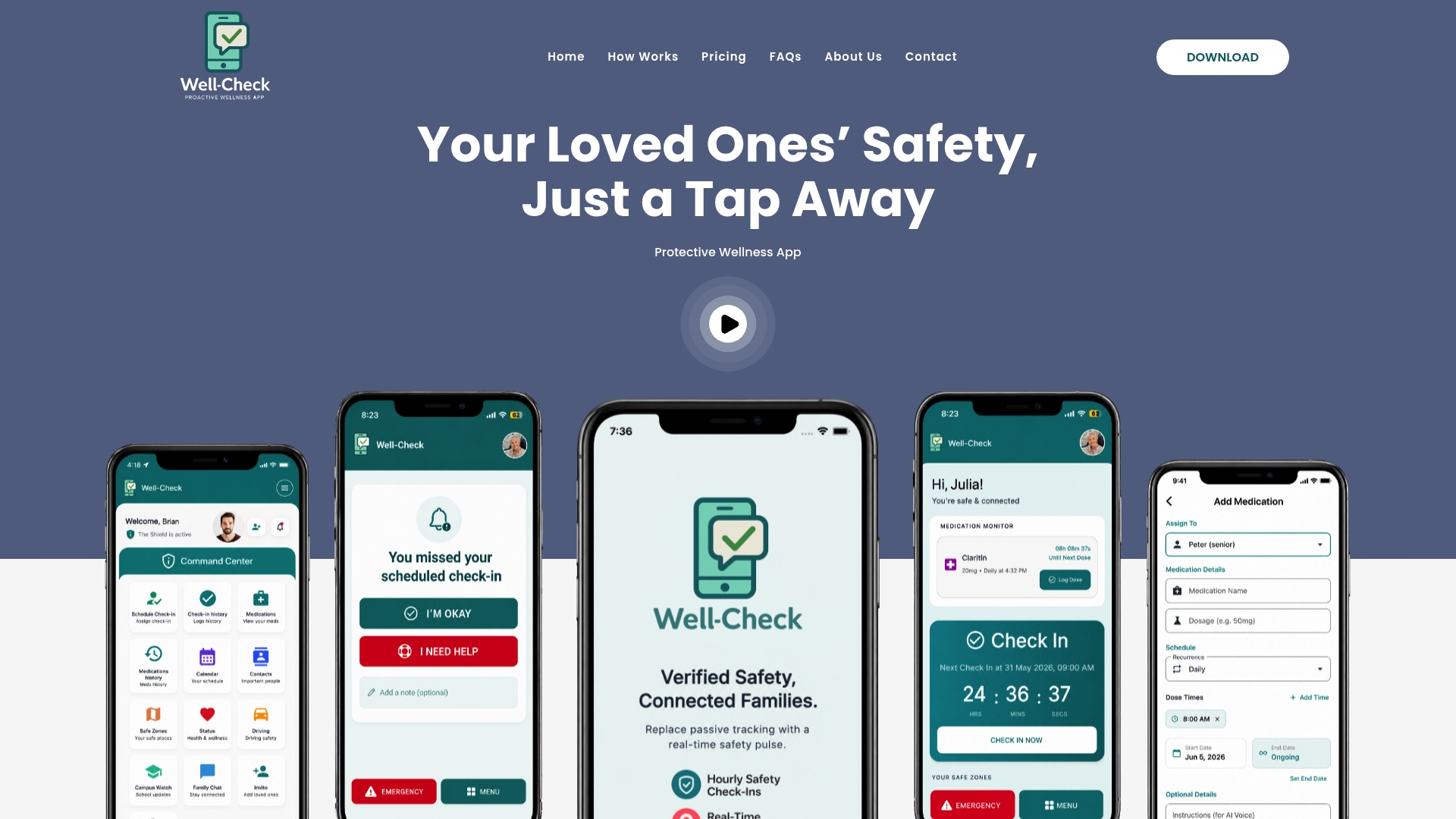
Beyond check-ins, such apps may send medication reminders tied to the same medication list built into the safety plan, track location with GPS for added peace of mind, and let families build an emergency contact network so more than one person is watching. This type of app doesn’t replace 911, an escape plan, or a support network. It works alongside them, catching the ordinary days when nothing dramatic happens but someone still needs to know their parent or spouse is fine. Anyone ready to see how the check-in flow and alerts actually work can review how Well-Check works or check current pricing plans to find the right fit.
Authoritative Resources and Checklists to Download
For official guidance beyond this article, Ready.gov’s disaster preparedness guide for older adults offers printable checklists worth keeping with the emergency kit. The National Institute on Aging and TexasReady.gov both publish detailed guidance on medical information sheets and equipment planning. For tracking vitals to share with helpers, a home blood pressure checklist is a useful add-on. Save these as PDFs, print the medical packet, and ask a local Area Agency on Aging about occupational therapy or home-assessment services in the area.
Sources
FAQ
What Is an Example of a Safety Plan?
A basic example combines three pieces: a written list of medical needs and contacts, a packed emergency bag with medications and documents, and a support network that knows the plan and has practiced it, following the model Ready.gov outlines for older adults.
What Is the 40/70 Rule for Aging and Caregiving?
Adult children should start honest conversations about aging, safety, and future care well before a crisis forces the conversation, ideally in midlife for themselves and before significant senior years for their parents.
How Often Should an 82-Year-Old Shower?
There’s no fixed rule tied to age alone; frequency should follow the person’s skin health, mobility, and comfort, with safety features like grab bars and a shower bench in place to reduce fall risk regardless of how often they bathe.
Does Medicare Cover Home Safety Assessments?
Original Medicare doesn’t broadly cover routine home safety assessments, though it may cover an occupational therapy evaluation when a doctor certifies it’s medically necessary; check specific plan benefits, since some Medicare Advantage plans offer added home-safety coverage.
How Can Technology Support a Senior Safety Plan?
Tools like medical alert devices and daily check-in apps such as Well-Check add a layer of monitoring between home fixes and emergency response, catching missed check-ins and sending alerts to family before a small problem becomes a crisis.