Carbon monoxide (CO) is an odorless, colorless gas that can kill without warning, and older adults are more likely to get sick from it. The CDC says people with chronic heart disease, anemia or breathing problems are also at higher risk. The good news is that the core protections are simple: working alarms on every level, yearly servicing of fuel-burning equipment, no generators indoors, and a plan so someone notices quickly if something goes wrong. This guide walks through each one, with extra attention to seniors who live alone.
TL;DR
- Install battery-operated or battery-backup CO alarms near every sleeping area and on every level of the home, and test them monthly.
- Have furnaces, water heaters, stoves and other fuel-burning appliances serviced every year. Never run a generator indoors.
- Know the symptoms: headache, dizziness, nausea, weakness, shortness of breath and confusion. If you suspect CO, get into fresh air and get medical care right away.
- Seniors living alone need a backup: a daily check-in routine and verified emergency contacts, so a missed check-in triggers a call.
- Pair CO safety with a basic emergency kit and a go bag, so you are ready for evacuation as well as for exposure.
Table of Contents
- Why carbon monoxide is a bigger risk for older adults
- Symptoms of CO poisoning to know
- Where to put CO alarms
- CO detector maintenance that actually gets done
- Everyday habits that prevent exposure
- When the alarm sounds: a simple home drill
- Fire safety for seniors, alongside CO
- Emergency supplies list for older adults
- A go bag for seniors
- Perspective: why a check-in routine belongs in your CO plan
- Build a check-in and emergency contact plan
- Promo: add a daily check-in to your safety plan
- FAQ
- Sources
Why carbon monoxide is a bigger risk for older adults
CO comes from burning fuel: gas furnaces, water heaters, stoves, fireplaces, space heaters, generators, and cars running in attached garages. You cannot see it, smell it or taste it. That is why the alarm, not your nose, is your first line of defense.
Older bodies often have less margin. The CDC notes that older adults and people with chronic heart disease, anemia or breathing problems are more likely to get sick from CO. Early symptoms can also be mistaken for a cold, the flu, a bad night’s sleep or the effects of a medication. When someone lives alone, there may be nobody present to say, “You don’t look right, let’s go outside.”
That combination, a hidden gas and symptoms that blur into everyday aches, is the reason prevention and a reliable check-in routine matter more for seniors than for most households.
Symptoms of CO poisoning to know
Mayo Clinic lists headache, weakness, dizziness, nausea or vomiting, shortness of breath and confusion as the typical signs. The EPA adds that common symptoms include tiredness, irritability, and impaired judgment, memory and coordination, which can look like the early signs of other conditions in an older adult.
Patterns worth noticing:
- Several people in the home feel unwell at the same time.
- Symptoms ease when you leave the house and return when you come back.
- Symptoms appear after a heating appliance has been turned on, or while a generator or vehicle is running nearby.
- A sudden new confusion in an older relative, with no other obvious cause.
What to do if you suspect exposure
Get everyone into fresh air and seek medical care right away, as Mayo Clinic advises. Do not wait to see whether symptoms pass. Call 911 from outside the home. If an alarm is sounding and nobody feels ill, treat it as real anyway: leave, call for help, and do not go back in until responders say it is safe.
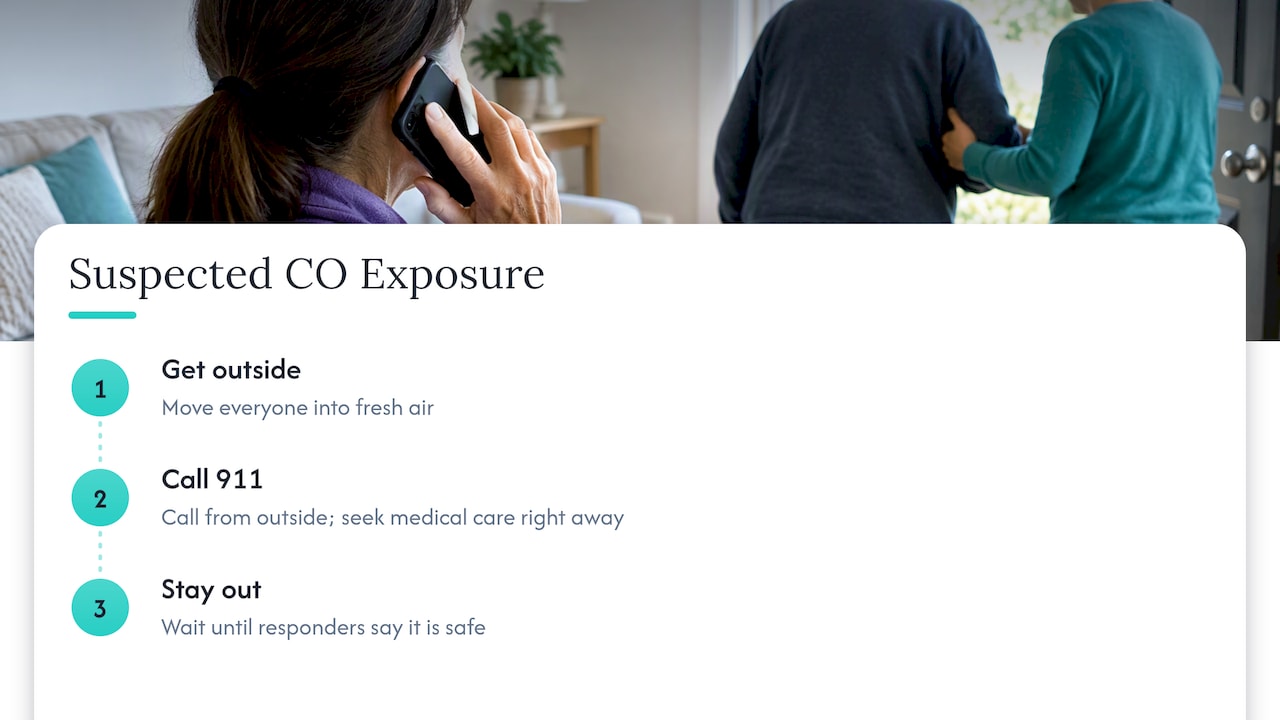
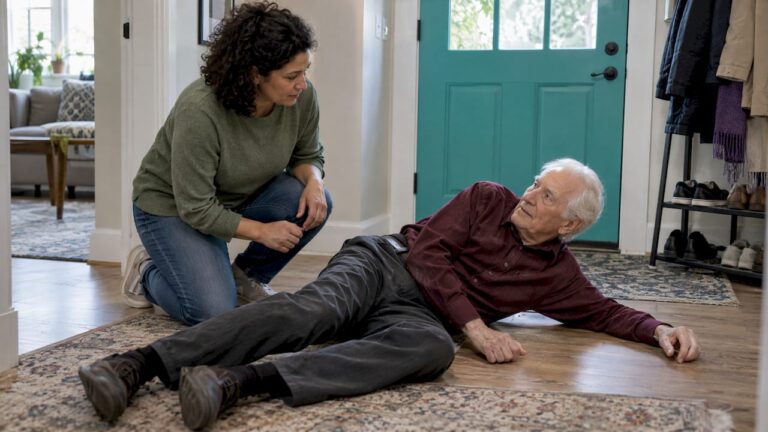
People who are alone are the ones most likely to lose time here. A person who feels dizzy and confused may not manage to dial a phone. This is where a pre-arranged check-in matters, covered below.
Where to put CO alarms
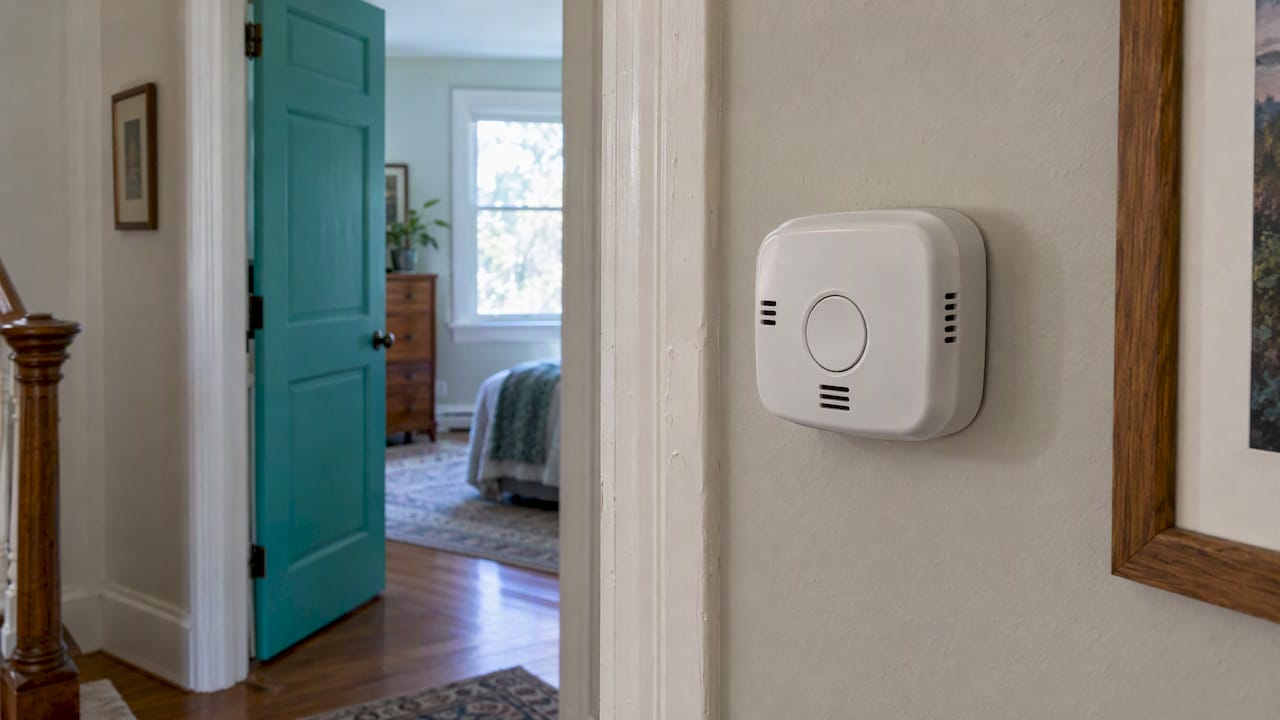
The placement rule is easy to remember. The NFPA says alarms belong on every level of the home and outside sleeping areas. The CDC recommends battery-operated or battery-backup detectors near every sleeping area, so they keep working during a power outage, which is exactly when people run generators and alternative heat sources.
A practical layout for a senior living alone:
| Location | Why it matters |
|---|---|
| Hallway outside the bedroom | Wakes the sleeper, since most CO deaths happen when people are asleep |
| Each additional floor, including a basement with a furnace | Covers every level, as NFPA advises |
| Near, but not directly beside, fuel-burning appliances | Catches leaks without nuisance alarms from normal startup |
| Attached garage entry area | Vehicle exhaust can drift into the home |
Combination smoke and CO alarms are a convenient option, since they cut the number of devices to maintain. Check the packaging so you know the unit does both jobs.
CO detector maintenance that actually gets done
An alarm on the ceiling with a dead battery is worse than no alarm, because it creates false comfort. Build maintenance into habits that already exist.
- Test monthly. The NFPA says alarms must be tested monthly and replaced according to the manufacturer’s instructions. Press the test button and listen for the sound.
- Change batteries twice a year. The CDC suggests checking batteries each spring and fall when you change clocks. Do the smoke alarms at the same time.
- Replace on schedule. Units have a limited life. Look for the date or replacement guidance printed on the device and write the replacement year on a sticky label or in a calendar.
- Do not ignore chirps. A short repeating chirp is usually a low-battery or end-of-life signal. Read the manual and act that day.
- Service the source. The CDC advises annual servicing of heating systems and fuel-burning appliances. Book it in early fall, before the heating season starts.
If your parent cannot safely reach a ceiling alarm or press the test button, make it a family task. A grandchild, neighbor or home aide can run the monthly test on the same day each month. Our living alone safety checklist lays out room-by-room checks and monthly tests you can adapt.
Everyday habits that prevent exposure
Most CO incidents trace back to a few repeat causes. The CDC’s guidance includes never using generators indoors. The same logic applies to anything that burns fuel in an enclosed space.
- Keep generators, grills and camp stoves outdoors and well away from windows, doors and vents.
- Never use a gas range or oven to heat the home.
- Do not run a vehicle in an attached garage, even with the door open.
- Keep vents and flues clear of snow, leaves and debris.
- Use fuel-burning space heaters only as the manufacturer directs, and never leave them running while sleeping.
- After any storm or outage, check that outdoor vents are not blocked before restarting equipment.
Add a quick seasonal reminder for family: before the first cold snap, confirm the furnace service date, test every alarm, and look at the outdoor vents. It takes about twenty minutes.
When the alarm sounds: a simple home drill
People freeze when an alarm goes off, especially at night. A short rehearsal helps. Official guidance recommends that households develop and practice a disaster plan and identify and practice possible exit routes. That applies equally to a CO alarm and to fire.
Try this five-minute home drill with your parent:
- Press the alarm test button so they hear the sound they will hear in real life.
- Say, “We leave, then we call.” Walk the route from the bedroom to the nearest exit.
- Pick an outdoor meeting spot, such as the mailbox or a neighbor’s porch.
- Practice grabbing the phone and the go bag on the way out, only if it takes seconds.
- Repeat the drill with any walker, cane or wheelchair they use, and note anything that slows them down.
If the home has an elevator or the senior lives in an apartment building, remember that the NYC emergency guidance says not to use an elevator during a fire or similar emergency unless emergency personnel direct you to. Rehearse the stairs.
Many older adults need help leaving. A 2005 Harris poll cited by the CDC found that 13 million people aged 50 and older said they would need help evacuating in a disaster, and half said that help would have to come from outside their household. Decide now who that person is, and give them a key and the alarm routine.
Fire safety for seniors, alongside CO
CO and fire safety overlap, so handle them together. The same guidance recommends checking smoke-detector batteries at least twice a year. Tie it to the CO battery change and you have one routine for both.
A short shared checklist:
- Smoke and CO alarms on every level and outside bedrooms, tested monthly.
- Two ways out of the home where possible, with clear paths and no clutter in hallways.
- A phone within reach of the bed.
- Heaters and stoves kept clear of curtains, bedding and papers.
- A rehearsed plan, written down and posted near the door.
For a deeper starting point, see 3 moves to start a safety plan for seniors tonight.
Emergency supplies list for older adults
CO incidents often happen in winter storms and outages, when people improvise heat. A basic kit lowers that temptation. The NYC guide says kits should last 3 to 7 days, with one gallon of water per person daily, nonperishable food, flashlights, radios and a first-aid kit.
For older adults, add:
- A battery-powered or hand-crank radio and spare batteries, so you do not rely on candles or a generator for light and news.
- A written medication list and enough regular medication to bridge a disruption. The CDC warns that older adults may face health problems after a disaster if essential medications such as insulin or blood thinners are unavailable.
- Warm layers and blankets, since the CDC notes older adults are more prone to the health impacts of extreme temperatures and stress during and after disasters.
- Spare glasses, hearing aid batteries and a phone charger or power bank.
A go bag for seniors
If you have to leave because of an alarm, a storm or a utility failure, a packed bag saves minutes. FDNY’s preparedness guide says a go bag should include at least a week’s supply of regular medications, insurance cards, a medication and dosage list, physician contact information, and extra batteries or chargers.
Build a senior-friendly version:
- Copies of ID, insurance cards and the medication list, in a waterproof sleeve.
- Emergency contact list on paper, in case the phone battery dies.
- Chargers and a power bank.
- Notes on mobility aids, oxygen or other equipment, and how they will travel. The CDC points out that planning should cover medications, assistive technologies and how mobility devices will be transported.
- A small amount of cash and a spare house key for the person who will help.
Keep it by the door, light enough to lift, and check it when you change the alarm batteries. If a family member has dementia, add a recent photo and review our safe return plan for dementia. A caregiver can also keep a caregiver emergency binder ready for the first five minutes of any crisis.
Seniors who may need to be moved because of illness or limited mobility should also think about the cost side. This overview of Medicare travel and evacuation coverage helps you confirm what is and is not covered before you need it.
Perspective: why a check-in routine belongs in your CO plan
We built Well-Check around a simple belief: safety for someone living alone should not mean being watched all day. It should mean that if something goes wrong, someone who cares finds out quickly.
Carbon monoxide is the clearest example. The gas is invisible, the symptoms are easy to dismiss, and a person who is dizzy or confused may not be able to ask for help. An alarm is essential, and we want every home to have working ones. But an alarm only works if someone hears it and acts. A daily check-in adds a second layer: if your parent does not confirm they are okay, the people they chose get an alert.
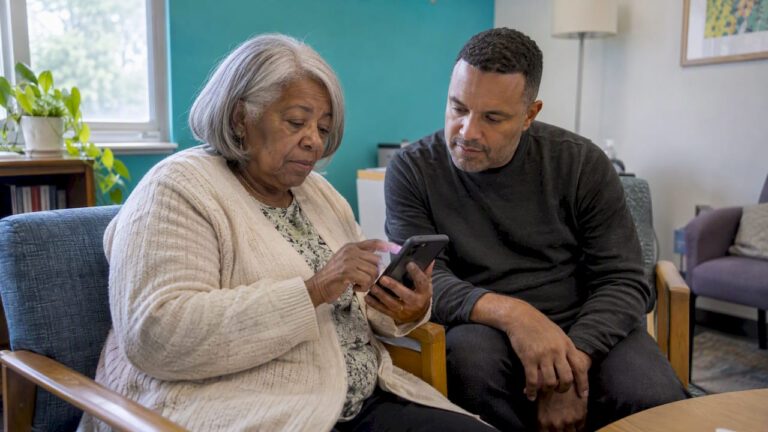
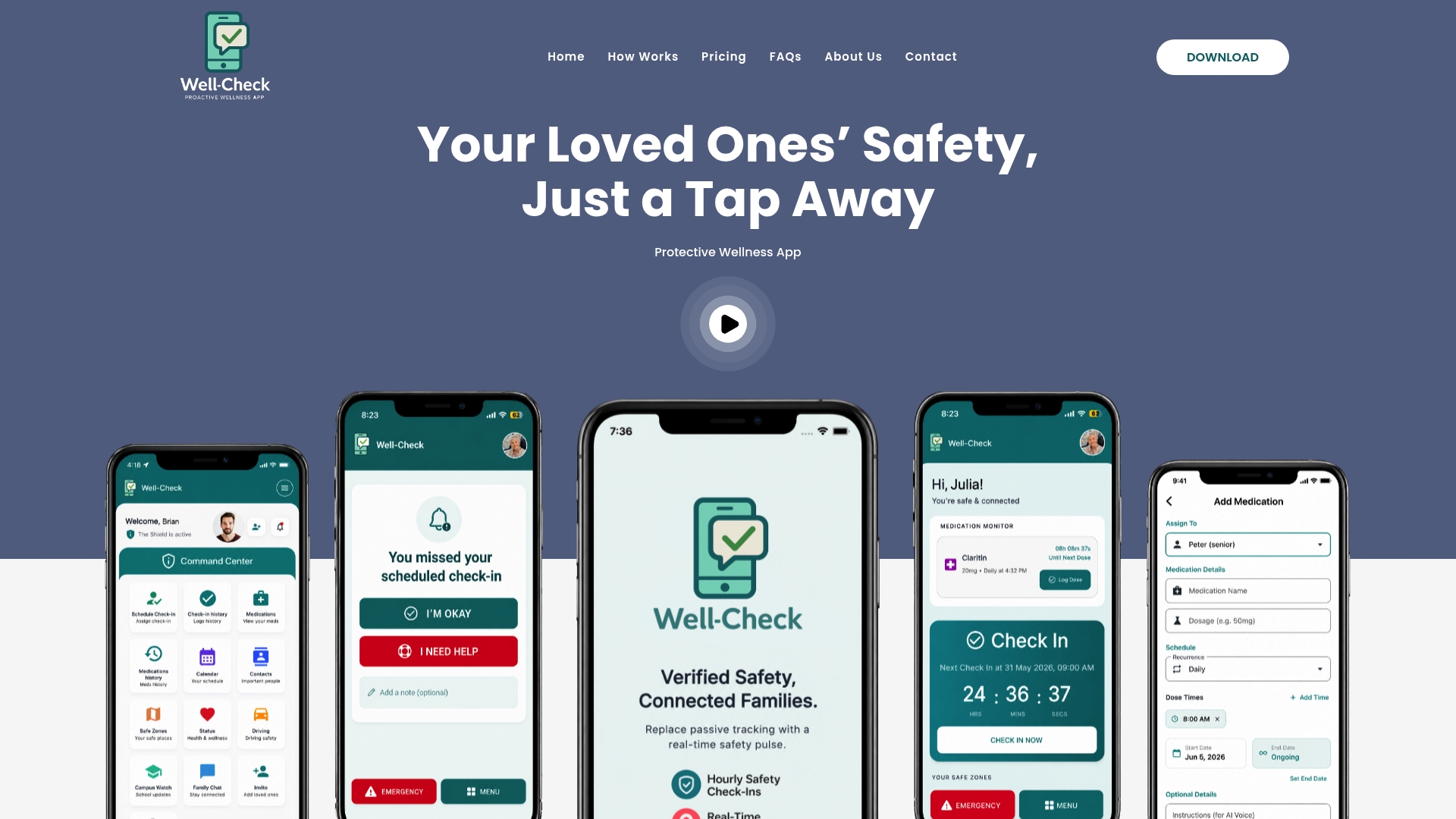
That is why we designed the app around one-tap “I’m okay” confirmations, missed check-in alerts to an emergency contact network, and one-tap help. Medication reminders and GPS features sit alongside, so independence and peace of mind can coexist. Our goal is dignity first: minimal intrusion, maximum reassurance.
Brian
Build a check-in and emergency contact plan
For a senior who lives alone, the most useful safeguard beyond hardware is a person who will notice a silence. A workable plan has four parts.
- Choose a check-in time. Pick a point in the day that is hard to miss, like after breakfast. Our guide to one-tap daily check-in categories shows what to include.
- Name three to five contacts. Include a neighbor who lives close by, since they can reach the home fastest. See how to build a verified emergency contact list.
- Agree on what happens after a miss. Decide who calls first, who goes to the door, and when to call 911. Our missed check-in protocol gives a step-by-step sequence.
- Write down the boundaries. Everyone should know what the app shares and what it does not. A family monitoring agreement keeps expectations clear and respectful.
Note that a check-in app does not detect gas. It is the safety net behind your alarms: if exposure leaves your parent unable to respond, the missed check-in prompts people to act. In an emergency, always call 911 first.
Promo: add a daily check-in to your safety plan
Well-Check gives seniors a one-tap way to say they are okay and gives families an alert if a check-in is missed. Medication reminders, an emergency contact network and GPS features are part of the app. The Essential plan is $5.99 per month and the Complete plan is $7.99 per month. You can compare them on the Well-Check pricing plans page, or read more about how the app supports older adults living independently.
FAQ
How many carbon monoxide alarms does a senior’s home need?
You need at least one on every level and outside each sleeping area. The NFPA gives this placement rule, and the CDC recommends battery-operated or battery-backup models near every bedroom. A single-story apartment may need just one in the hallway by the bedroom.
How often should I test and replace a CO detector?
Test it monthly and check batteries each spring and fall. Replace the alarm when the manufacturer’s instructions say so; the date or lifespan is printed on the device. If it chirps, act the same day rather than silencing it and waiting.
What are the first signs of CO poisoning in an older adult?
Headache, dizziness, weakness, nausea, shortness of breath and confusion are the usual early signs. In seniors, confusion or new memory trouble may be the only visible clue. Get into fresh air, call 911 and seek medical care right away.
What should I do if the CO alarm goes off and nobody feels sick?
Treat it as real. Leave the home, call 911 from outside, and stay out until responders say it is safe. Do not open windows and go back in to investigate, and have appliances inspected before using them again.
How can I make sure someone notices if my parent can’t call for help?
Set up a daily check-in with two or more emergency contacts who know what to do after a miss. A neighbor nearby helps most. Pair it with a rehearsed home drill and a phone kept within reach of the bed.
Sources
- CDC: Carbon Monoxide (CO) Poisoning Basics
- Mayo Clinic: Carbon monoxide poisoning, symptoms and causes
- EPA: Preventing Carbon Monoxide Poisoning fact sheet
- NFPA: Carbon monoxide safety
- Ready New York: Household Preparedness Guide
- CDC: Emergency Preparedness Concerns for Older Adults
- NYC: Apartment Building Emergency Preparedness Guide